
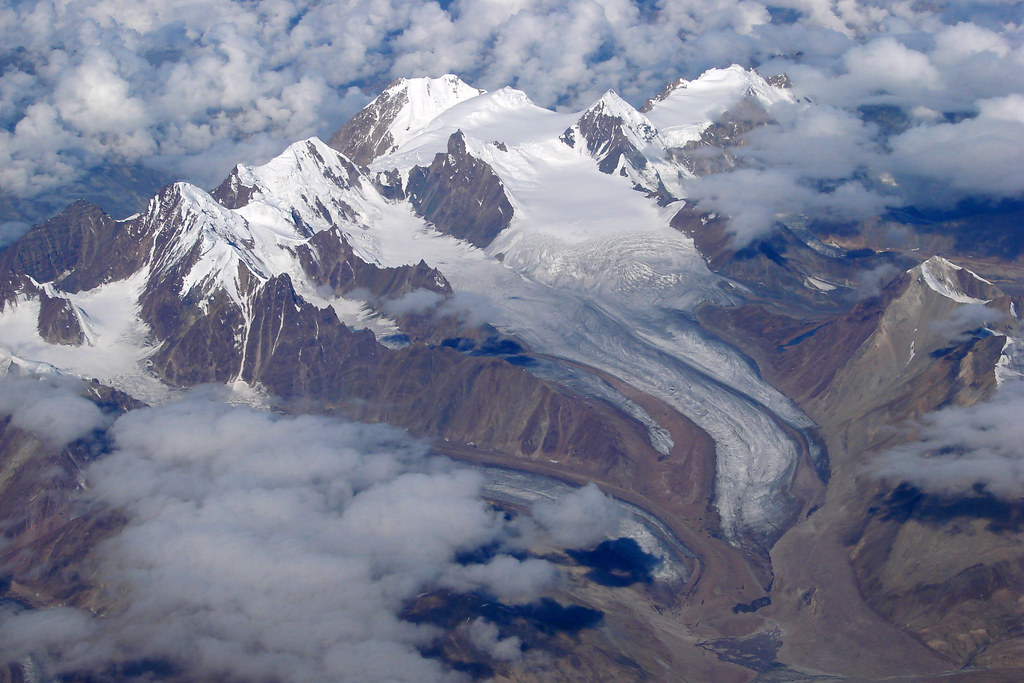
(Business Lounge – Travel) There are few places on Earth where nature feels as powerful, mysterious, and overwhelming as the Himalayas. Stretching across the heart of Asia, this immense mountain system is more than a collection of snow-covered peaks. It is a world of ancient kingdoms, remote villages, sacred monasteries, glacial lakes, extraordinary wildlife, and cultures that have evolved over centuries in the shadow of the highest mountains on the planet.
From the cold deserts of Ladakh to the lush valleys of Nepal, from the spiritual heartlands of Tibet to the mountain kingdoms of Bhutan, the Himalayas offer an extraordinary diversity of landscapes and experiences. Every valley seems to tell a different story, and every mountain pass reveals another side of a region where geography, history, and spirituality are deeply connected.For travelers, exploring the Himalayas is not simply about reaching spectacular viewpoints. It is about discovering a living world shaped by altitude, isolation, ancient trade routes, and enduring traditions.
Ladakh and the Otherworldly Beauty of Nubra Valley
Often described as the roof of the world, Ladakh is one of the most dramatic destinations in the Himalayan region. Its vast plateaus and rugged valleys sit at elevations ranging from approximately 9,000 feet to more than 18,000 feet above sea level. The landscape is largely a cold desert, receiving little rainfall and experiencing extreme temperature changes between day and night.
Among its most remarkable destinations is Nubra Valley, where glacier-fed rivers create unexpected pockets of greenery between barren mountains. Willow trees and sea buckthorn grow along the waterways, forming beautiful green corridors through an otherwise dry and rocky environment.
One of Nubra’s most unusual attractions is its sand dunes. Unlike the golden dunes of tropical deserts, these are pale and almost silver in appearance, surrounded by enormous mountain walls. Bactrian camels, with their distinctive two humps, can still be found wandering across the sand. Their presence recalls the days when this valley formed part of the ancient Silk Road, carrying merchants and caravans between Central Asia and the Himalayan kingdoms.
Nearby, Diskit Monastery occupies a rocky hillside overlooking the settlement. Its whitewashed buildings follow the natural contours of the mountain, while a monumental statue of Maitreya Buddha stands on an adjacent ridge. The combination of Buddhist heritage, extraordinary scenery, and the valley’s trading history makes Nubra one of Ladakh’s most memorable travel experiences.
Crossing Khardung La to Discover Leh
The journey between Nubra Valley and Leh passes through Khardung La, one of the Himalayas’ most famous mountain passes. At approximately 17,600 feet, the route offers spectacular views of rugged peaks and vast mountain landscapes. The thin air makes the journey physically demanding, reminding visitors that travel in this part of the world requires preparation and patience.Long before modern roads were constructed, traders and messengers crossed these mountains on foot and by camel. The modern road, developed during the 1970s, transformed the pass into an important logistical connection.
Leh, the capital of Ladakh, offers a different atmosphere. Although tourism and modern development have changed the city, its historic center still preserves the character of an old trading town. Traditional streets, small markets, religious buildings, and mountain views create a fascinating blend of past and present.
Overlooking the city is Leh Palace, a nine-story fortress built in the early 17th century by King Sengge Namgyal. Inspired by the architecture of the Potala Palace in Lhasa, it once served as the political and cultural center of the Ladakhi kingdom. Its weathered walls and elevated terraces provide a glimpse into the region’s royal history.
Another important landmark is Shanti Stupa, a white Buddhist monument built through cooperation between Japanese and Ladakhi Buddhists. From its terraces, visitors can enjoy panoramic views of Leh and the surrounding mountains, particularly beautiful when the late afternoon sunlight touches the distant ridgelines.
Monasteries and Sacred Landscapes
Beyond Leh, the Indus Valley reveals another dimension of Ladakh’s cultural identity. Thiksey Monastery, established in the 15th century, rises above the surrounding villages and agricultural fields. Its collection of temples, assembly halls, residential quarters, and shrines reflects centuries of religious development.
The monastery belongs to the Gelug school of Tibetan Buddhism. Its elevated position provides expansive views of the valley, while its architecture demonstrates how communities adapted religious life to the harsh conditions of a high-altitude desert.
Further west, the Himalayan landscape opens into Kashmir, where Dal Lake offers a striking contrast to Ladakh’s dry mountain environment. The lake is not merely a scenic attraction but a living neighborhood built around water. Houseboats, floating gardens, traditional markets, and wooden shikara boats form an important part of everyday life.
The distinctive houseboat culture developed during the 19th century, when British visitors created floating residences because they were restricted from owning land under the local administration. Over time, Kashmiri craftsmen developed elaborate wooden designs, decorated facades, and beautifully patterned interiors.A boat journey across Dal Lake reveals a quieter side of Kashmir. Shikaras move through narrow channels, carrying vegetables harvested from floating gardens and connecting communities whose lives are closely tied to the water.