
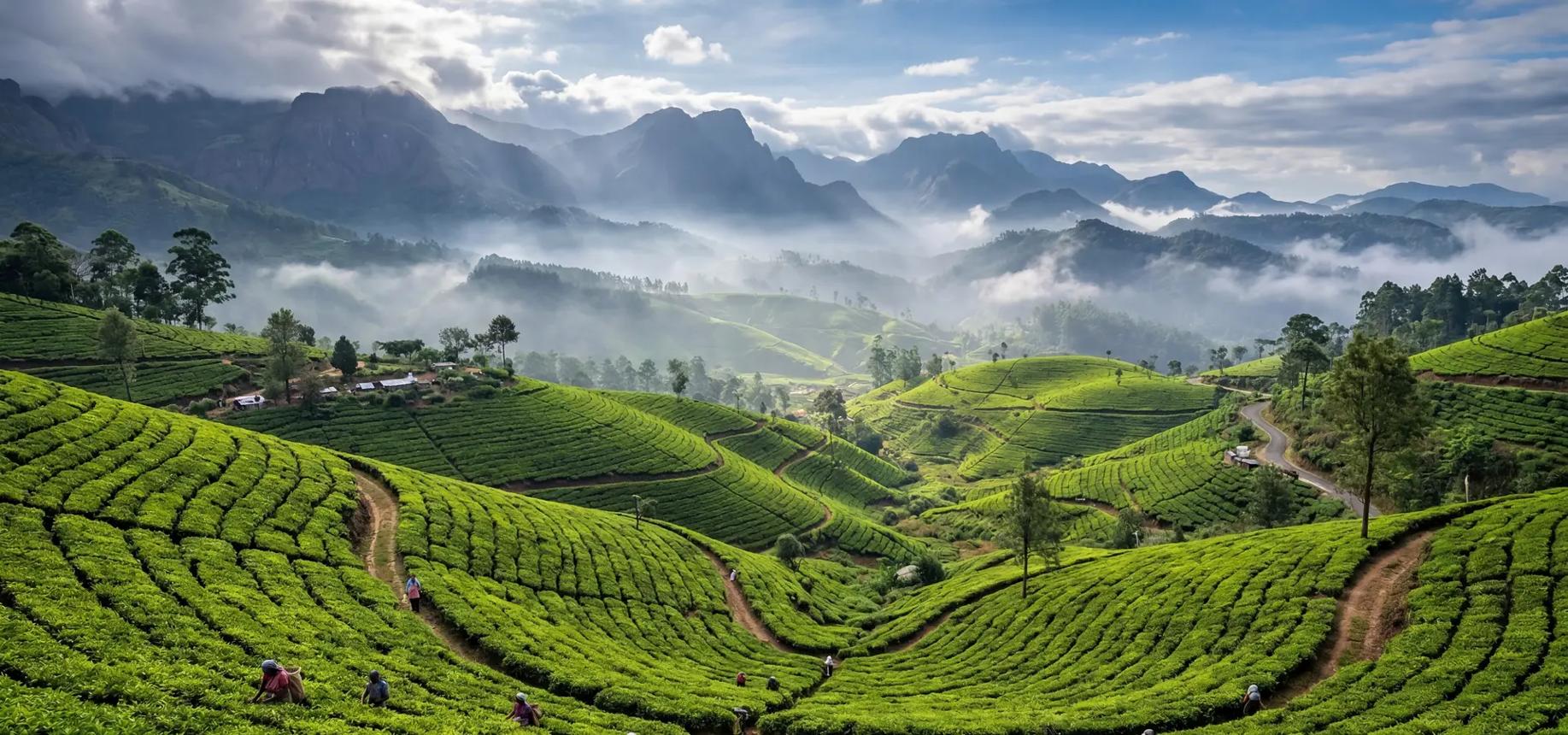
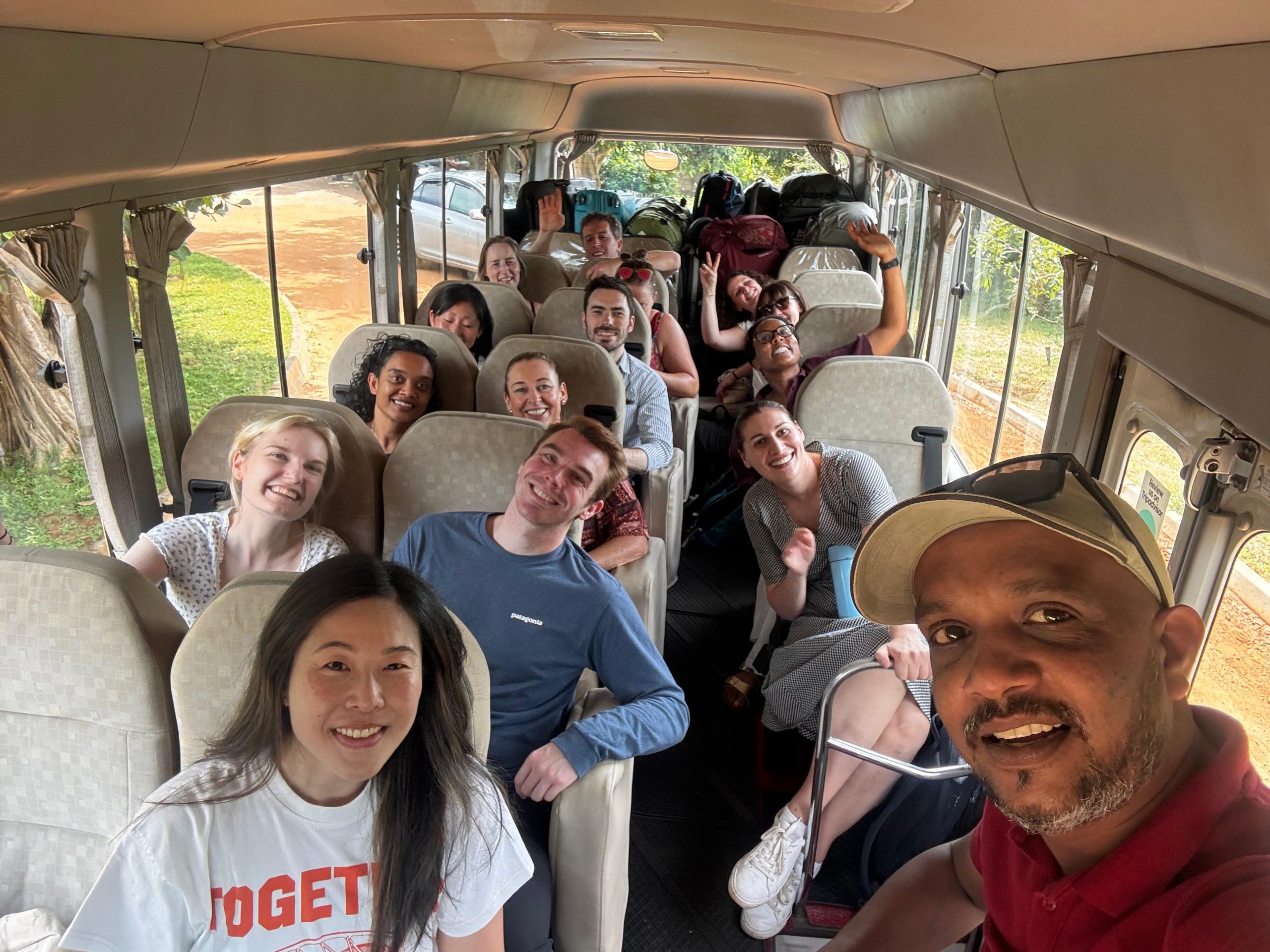
As I listened to Prasad, one idea stayed with me, the value of a destination is not determined solely by the beauty of its places, but also by how thoughtfully a journey connects visitors with the character and spirit of the country. Sri Lanka offers an extraordinary combination of tropical beaches, mist-covered mountains, tea plantations, rainforests, wildlife reserves, and ancient cultural sites within a relatively small geographical area. Yet these attractions become far more meaningful when travellers have enough time to appreciate them rather than rushing from one destination to another.
For Prasad, the most memorable experiences often emerge from simple moments, walking through a tea plantation, talking with local residents, traveling through the mountains, or observing wildlife in its natural habitat. These encounters reveal a side of Sri Lanka that cannot always be captured in photographs or measured by the number of attractions visited.
Sri Lanka’s Natural Diversity as a Tourism Asset

Prasad has worked as a chauffeur guide since 2011 and as a National Tourist Guide Lecturer since 2023. His experience has allowed him to accompany travellers from different parts of the world and understand how people with different backgrounds discover a destination. As Director of Sales at Luxe Vistara, he is also involved in designing personalised journeys that reflect individual interests, from nature and wildlife to cultural exploration and authentic local experiences.
One of Sri Lanka’s greatest strengths is its remarkable variety of landscapes. Visitors can begin along a tropical coastline before travelling inland to cooler highlands, emerald-green tea plantations, forested hills, and ecosystems rich in biodiversity. These changing environments offer a wide range of experiences without requiring travellers to cover enormous distances.
Ella attracts visitors with its mountain scenery, hiking trails, and iconic railway journey through the highlands. Nuwara Eliya offers a different atmosphere, with cooler temperatures and tea plantations stretching across the hillsides. Beyond their visual appeal, these landscapes reveal the longstanding relationship between nature, agriculture, and the development of Sri Lanka’s tea industry.
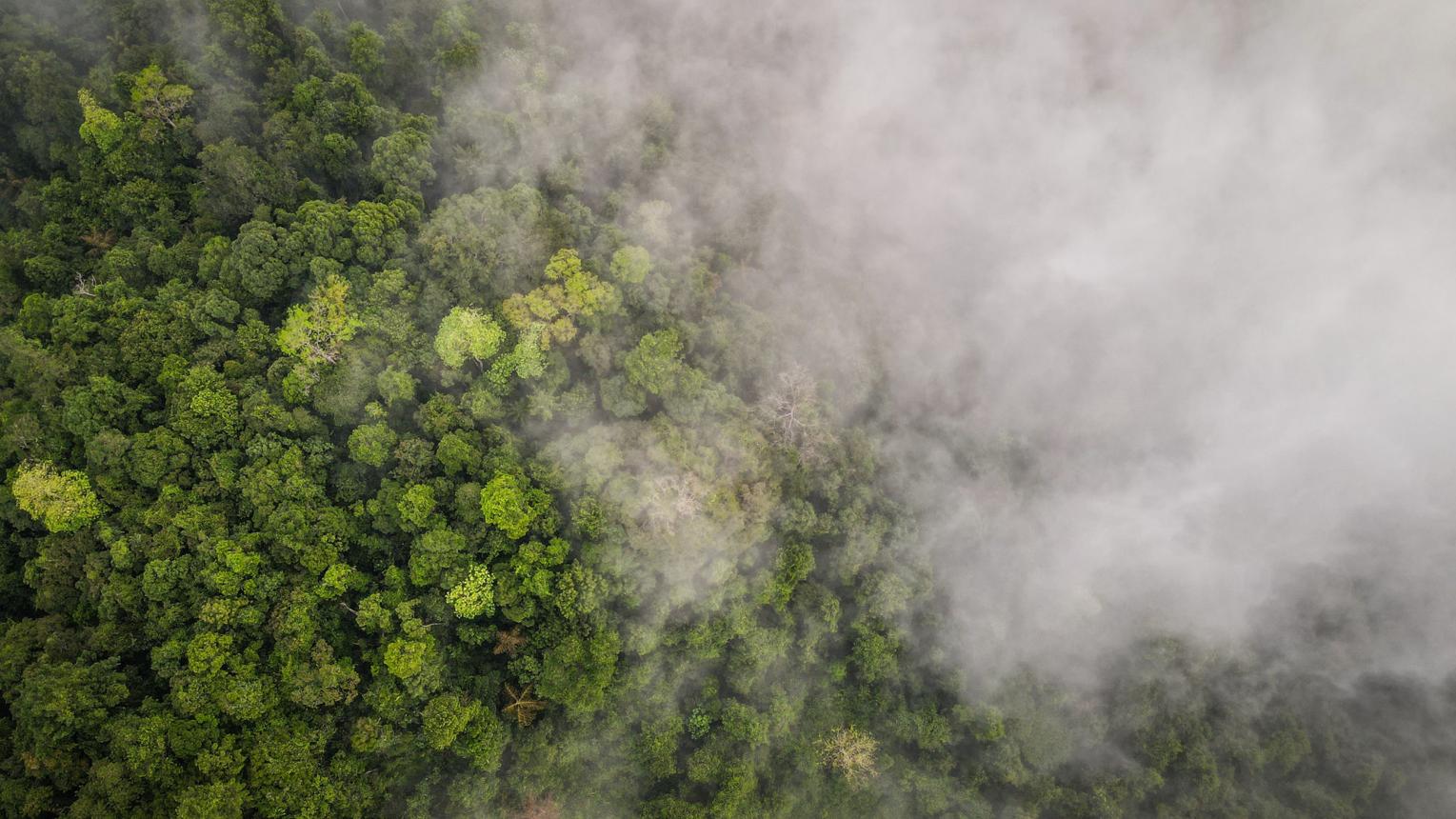
For wildlife enthusiasts, Yala and Udawalawe offer opportunities to observe animals in their natural environments. Yala is particularly well known among visitors hoping to see leopards, while Udawalawe is famous for its elephants. Sinharaja Forest Reserve provides a contrasting experience, with tropical rainforest, remarkable biodiversity, and distinctive birdlife.
Together, these destinations give Sri Lanka the potential to develop tourism experiences that extend beyond beaches and cultural landmarks. Nature itself becomes an essential part of the visitor experience, connecting scenery, wildlife, local livelihoods, and environmental awareness.
Discovering Sri Lanka Beyond the Familiar Tourist Trail
Another recommendation is the Pekoe Trail, a walking route through tea estates, villages, forests, and historic plantation landscapes. Rather than simply admiring the tea country from a vehicle, visitors can explore it on foot and experience the environment at a slower pace. Walking through these landscapes creates opportunities to notice the details of daily life, interact with local communities, and understand how the surrounding environment shapes the region.
Prasad also recommends the countryside around Belihuloya, where mountain views, streams, waterfalls, and village life provide a refreshing alternative to established tourist centres. Along the eastern coast, the area around Trincomalee offers beautiful beaches and seasonal marine experiences. Meanwhile, quieter sections of the southern coastline allow visitors to enjoy the sea away from some of the busiest resort areas.
These places illustrate an important principle of tourism development: creating value does not always require building new attractions. Existing landscapes, traditions, and community experiences can become compelling tourism products when they are thoughtfully presented and connected through well-designed itineraries.
Less-visited destinations can also benefit economically when travellers are encouraged to explore beyond established tourism centres. Local guides, accommodation providers, small businesses, and community-based initiatives can all become part of a more distributed tourism economy.
Designing Journeys Around People, Not Checklists
One of the most valuable ideas I took from Prasad’s stories was the importance of designing an itinerary around geographical flow and individual interests. For travellers with five to seven days, he recommends finding the right balance between experiences rather than attempting to visit as many places as possible. Travel times, road conditions, accommodation locations, and opportunities to enjoy each destination all need to be considered.
A well-designed journey should allow visitors to appreciate the places they encounter. Someone interested in hiking may prefer to spend more time in the mountains, while a wildlife enthusiast may prioritise a safari. Travellers seeking cultural immersion may favour village encounters, local cuisine, and routes through the countryside.
The following seven-day itinerary is a suggested journey inspired by Prasad’s recommendations. It combines cultural heritage, mountain scenery, tea plantations, wildlife, and the southern coastline. Each day offers a different perspective on Sri Lanka, while the route can be adjusted according to travel arrangements, personal interests, and available time.
A Suggested Seven-Day Journey Through Sri Lanka
Day 1 – Arrival and the Cultural Landscape
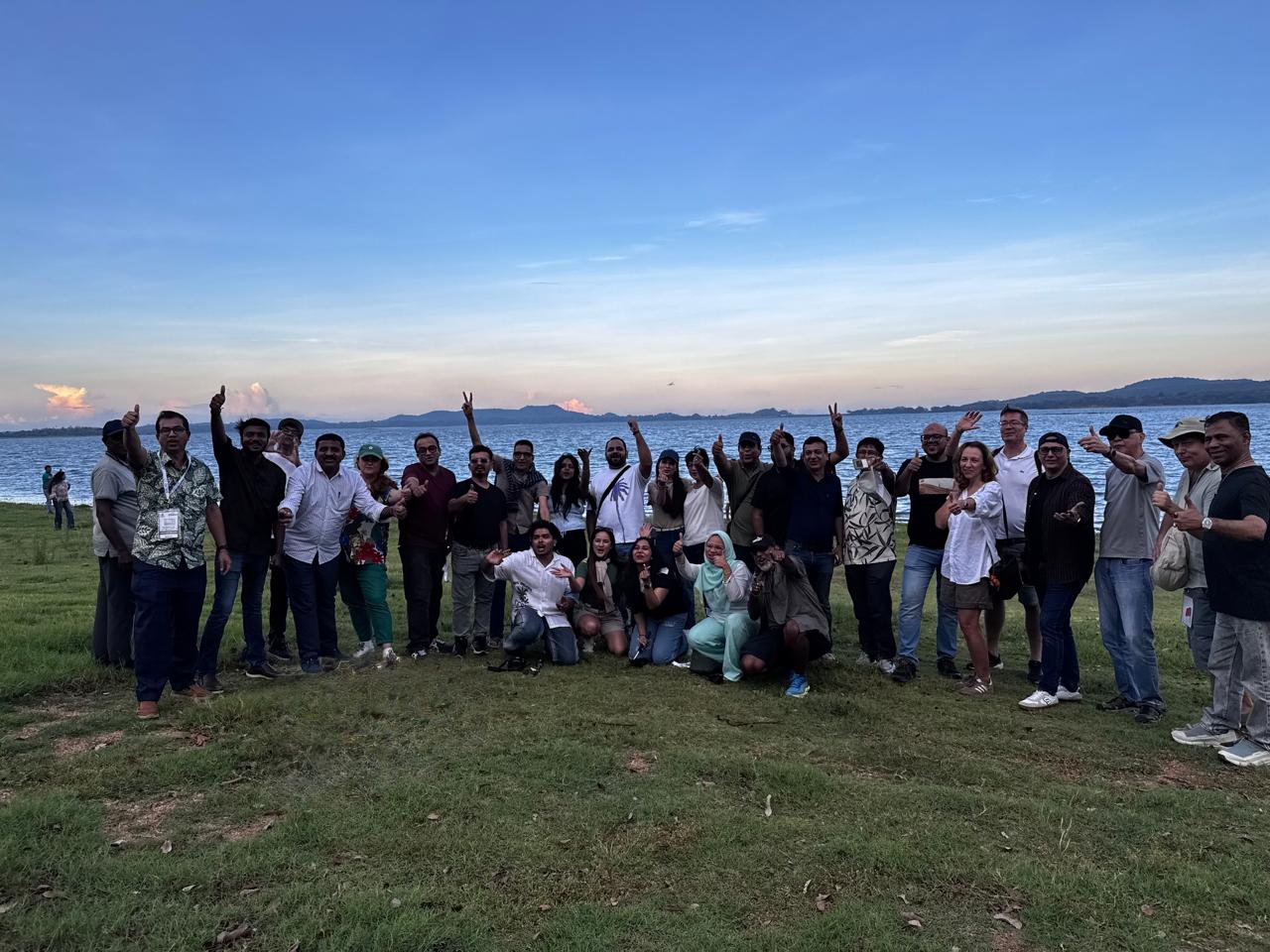
Begin the journey towards Sigiriya and the surrounding countryside. Depending on the arrival time, spend the afternoon discovering rural Sri Lanka, with its tranquil lakes, green paddy fields, and traditional villages. This gentle introduction offers a first glimpse of the island’s landscapes and everyday life beyond the main tourist centres.
Rather than filling the first day with activities, allow time to settle in and appreciate the surroundings. The countryside provides an opportunity to experience a quieter side of Sri Lanka before exploring its major historical and natural attractions.
Day 2 – Sigiriya and the Natural Environment
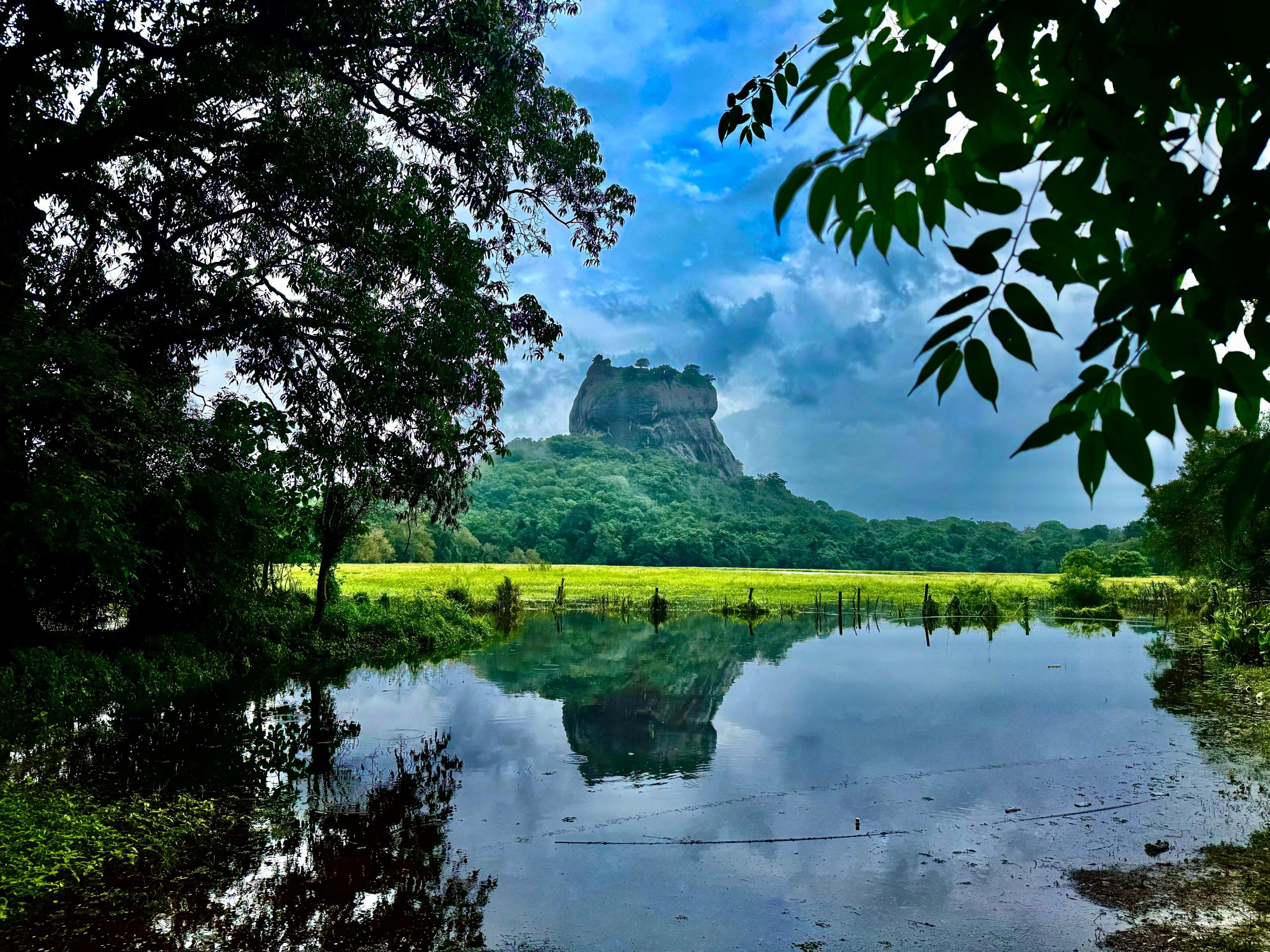
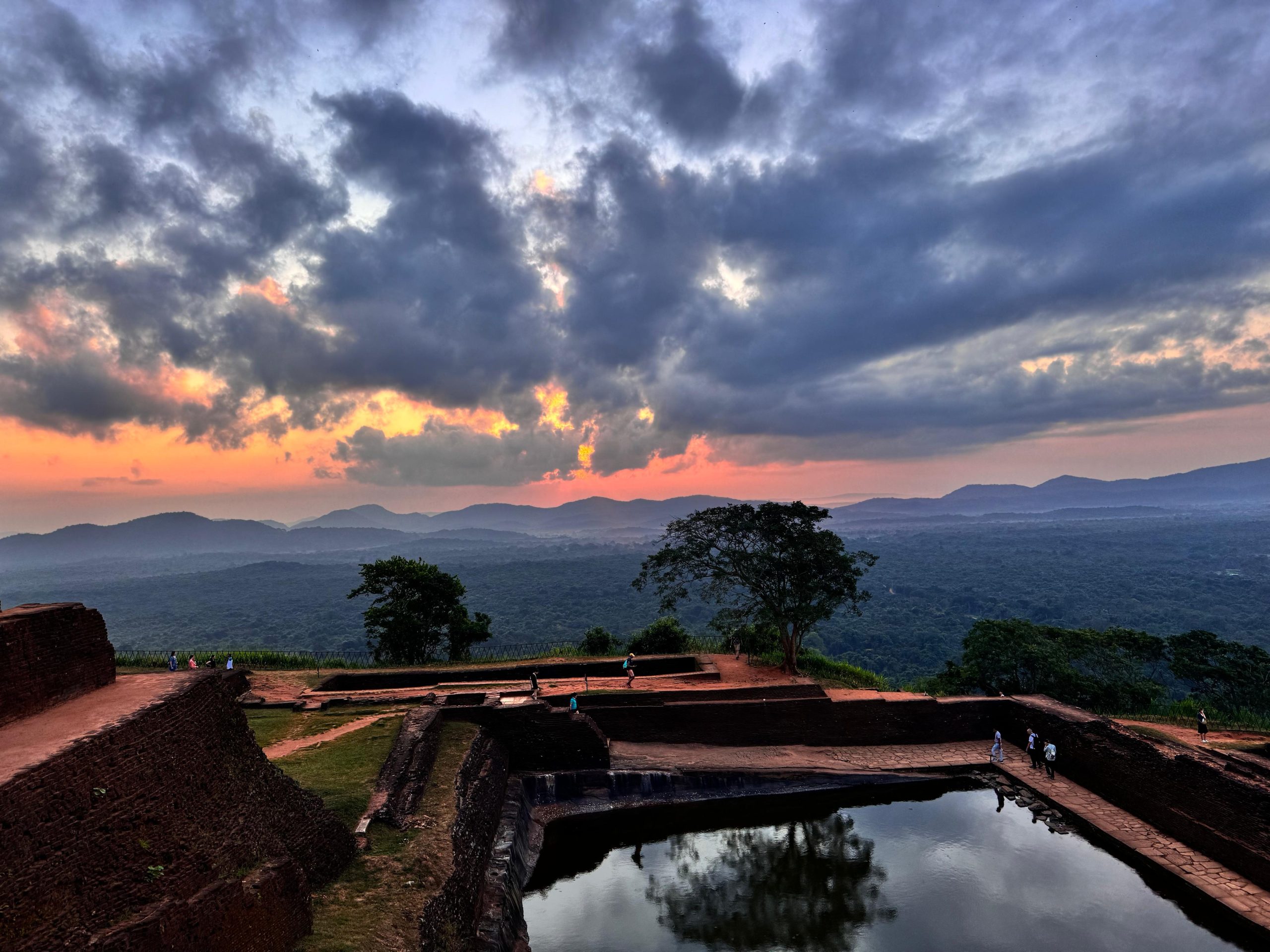
Visit the iconic Sigiriya Rock Fortress early in the morning, when conditions are often more comfortable for exploration. Continue with a countryside experience or a nature walk to discover the landscape surrounding this remarkable historical site, where ancient engineering, forests, wetlands, and agricultural life come together.
Sigiriya offers more than a striking historical monument. Its surrounding environment reveals how human settlement, landscape design, and nature have interacted over centuries. Taking time to appreciate this wider setting makes the visit more rewarding than simply treating the fortress as a photographic stop.
Day 3 – Journey to the Central Highlands
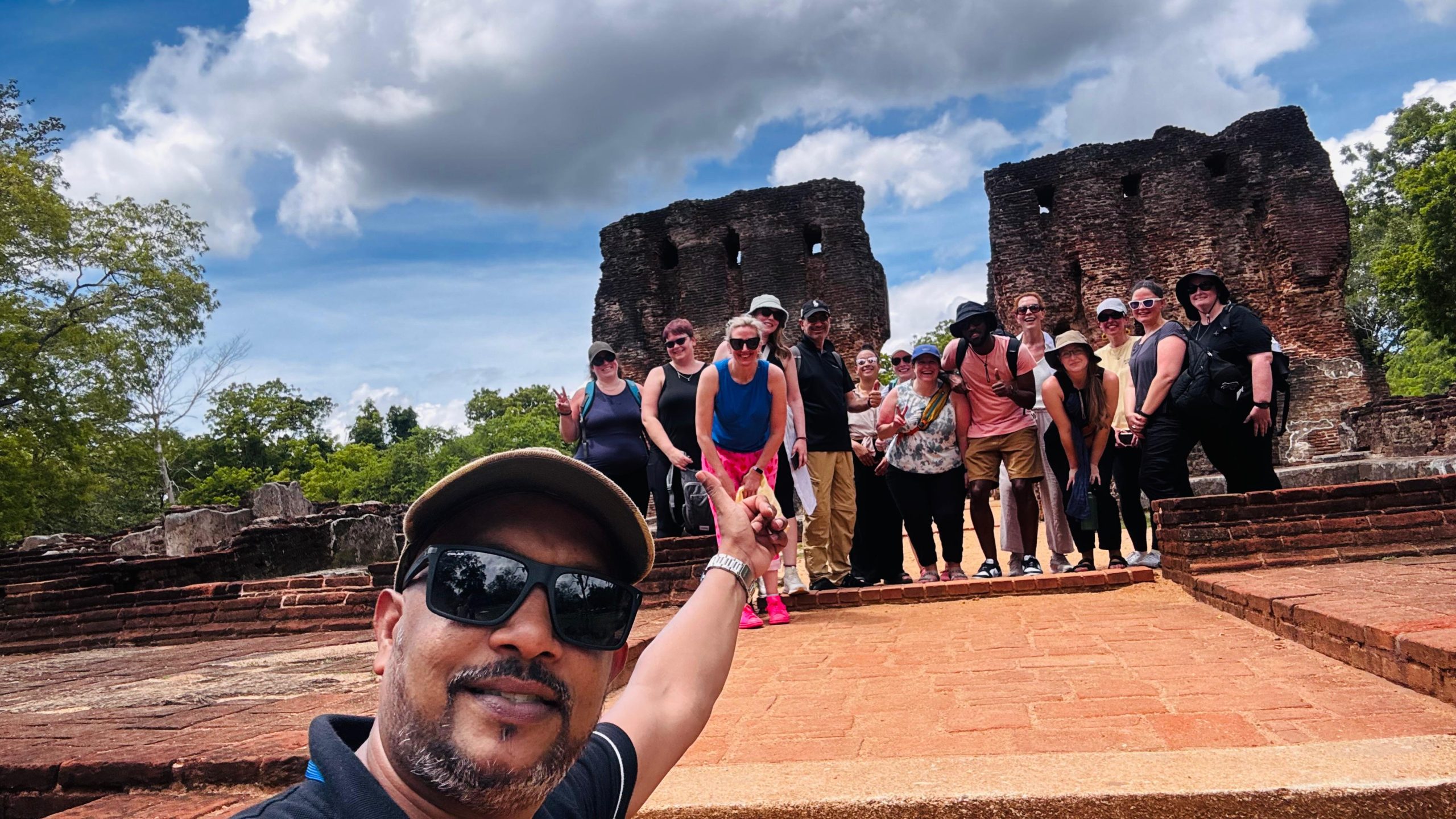
The journey itself becomes an important part of the experience. As the elevation changes, so does the character of the landscape, offering a transition from the warmer countryside to the cooler mountain environment. Travellers can enjoy scenic stops along the way, depending on the available time and route.
Day 4 – Tea Country and Mountain Scenery
 sri-lanka.co.il
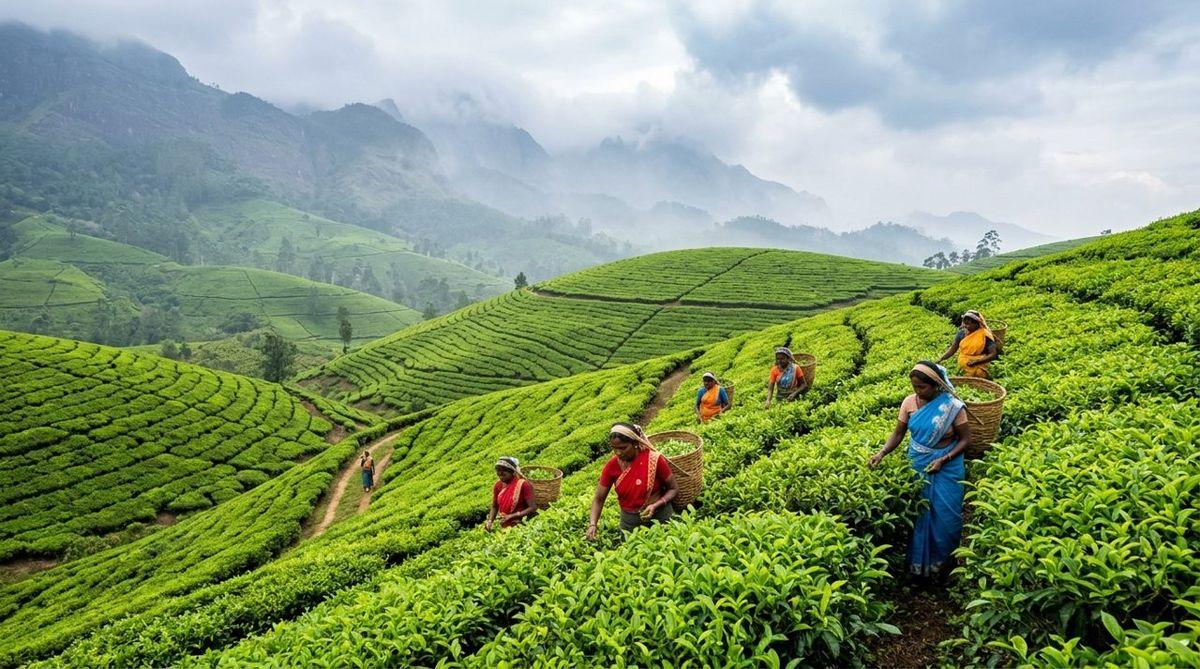
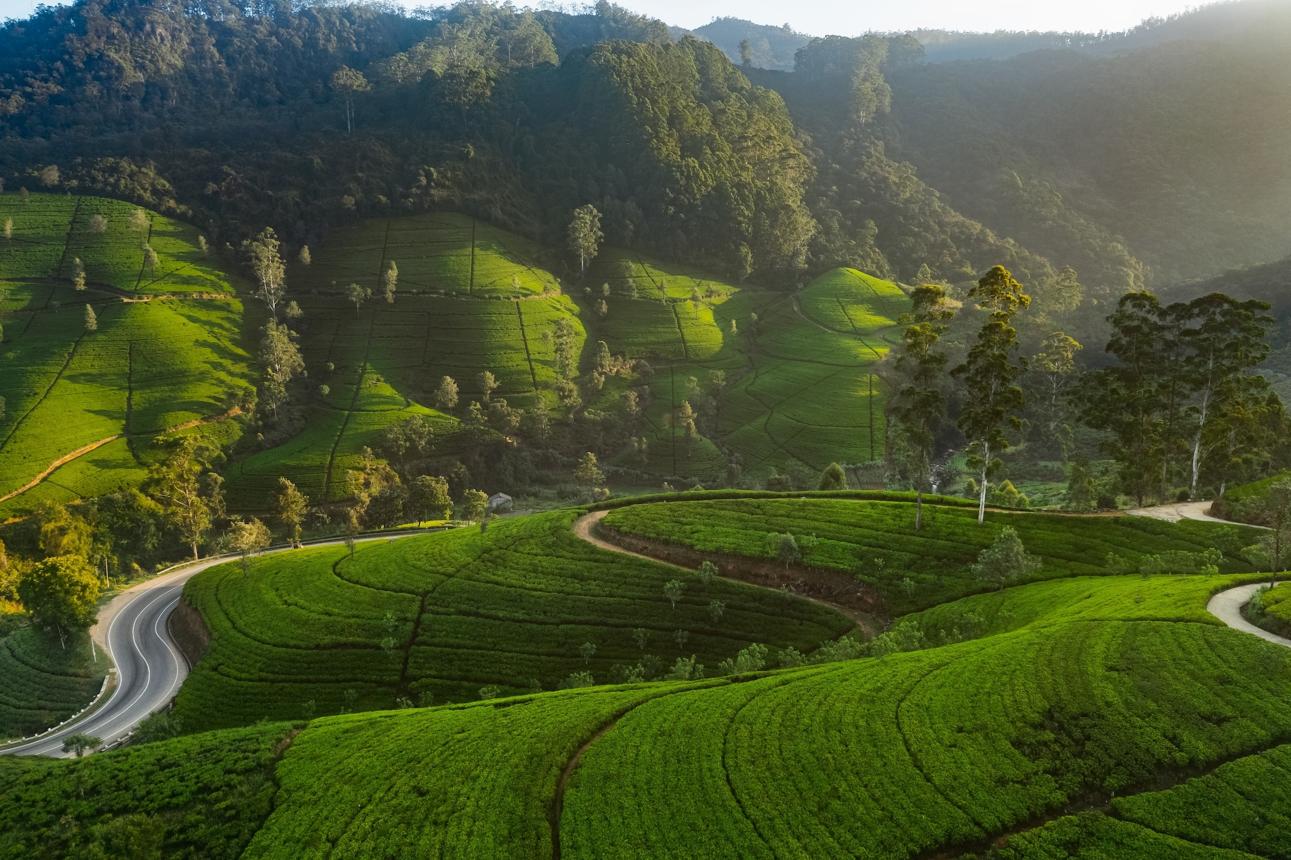
Explore the tea plantations around Nuwara Eliya and the surrounding highlands. A visit to a tea estate offers an opportunity to learn about tea cultivation and production while appreciating the region’s distinctive landscape. If conditions permit, add a scenic walk or a stop at one of the area’s waterfalls to experience the highlands at a more relaxed pace.
Tea is an important part of Sri Lanka’s identity, and visiting the plantations provides a connection between the island’s natural environment and its agricultural heritage. The combination of green hills, cooler air, and plantation landscapes makes this a particularly distinctive part of the journey.
Day 5 – Ella and the Hill Country
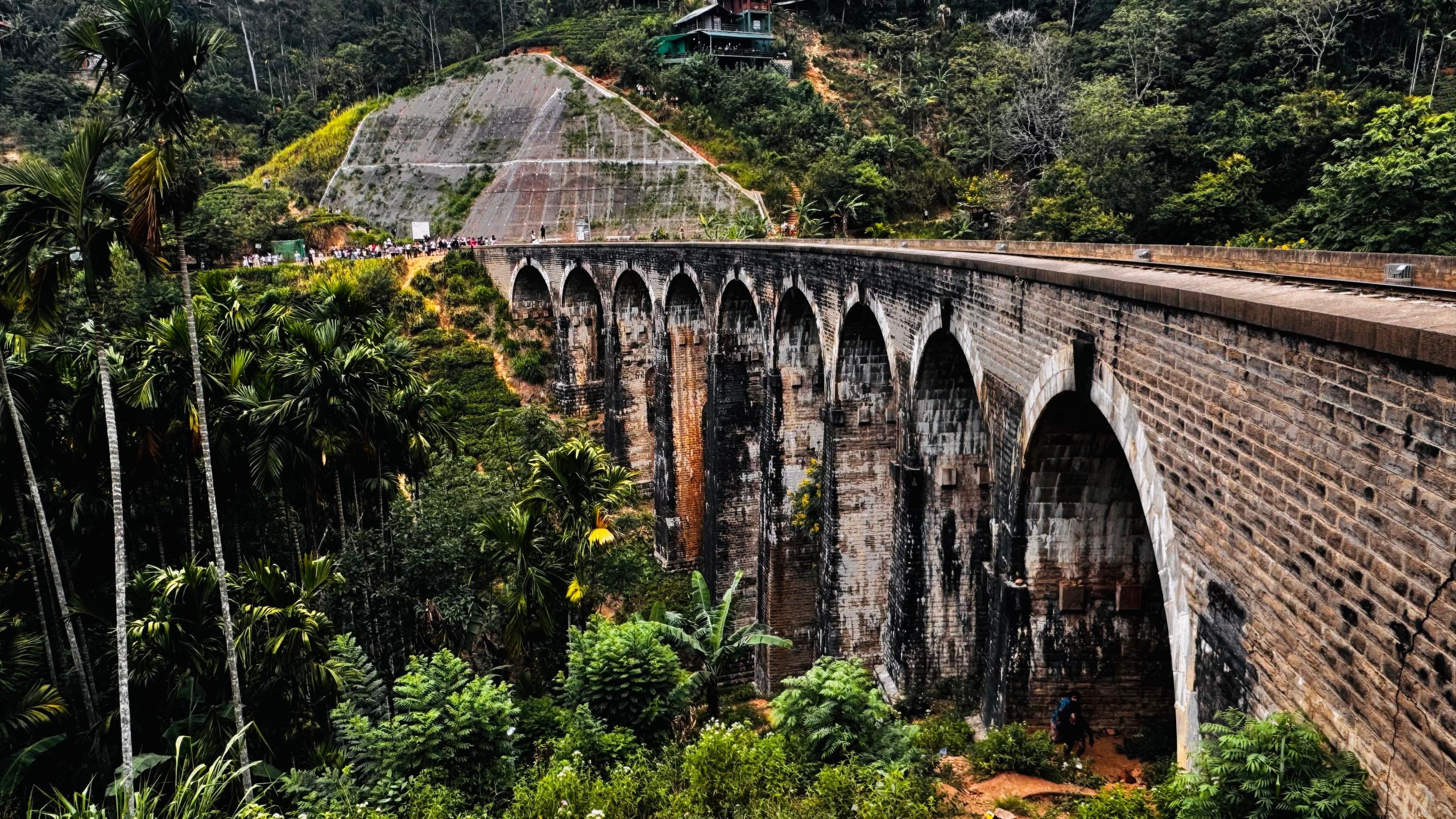
Continue towards Ella, one of Sri Lanka’s most picturesque mountain destinations. Depending on train availability and travel arrangements, experience the famous railway journey through the highlands or travel by road through the surrounding mountains.
Explore Ella’s scenic viewpoints and hiking trails, allowing time to appreciate its panoramic landscapes and relaxed atmosphere. The area is particularly appealing to travellers who enjoy combining outdoor activities with opportunities to slow down and take in the scenery.The railway journey, where available, offers a memorable way to experience the changing landscapes of the highlands. Forests, hillsides, small settlements, and tea plantations create a visual narrative of rural Sri Lanka.
Day 6 – Wildlife Experience at Udawalawe
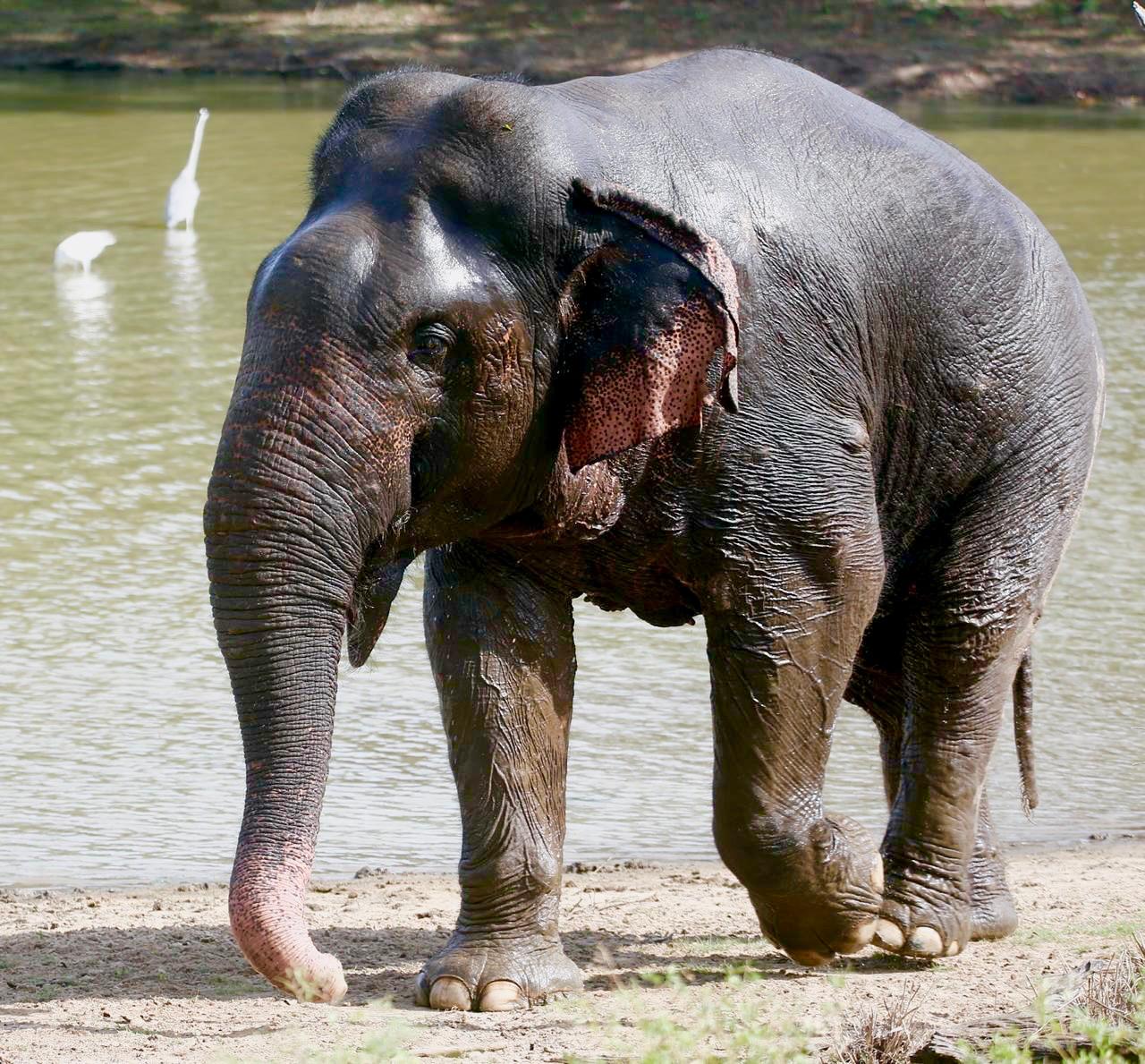
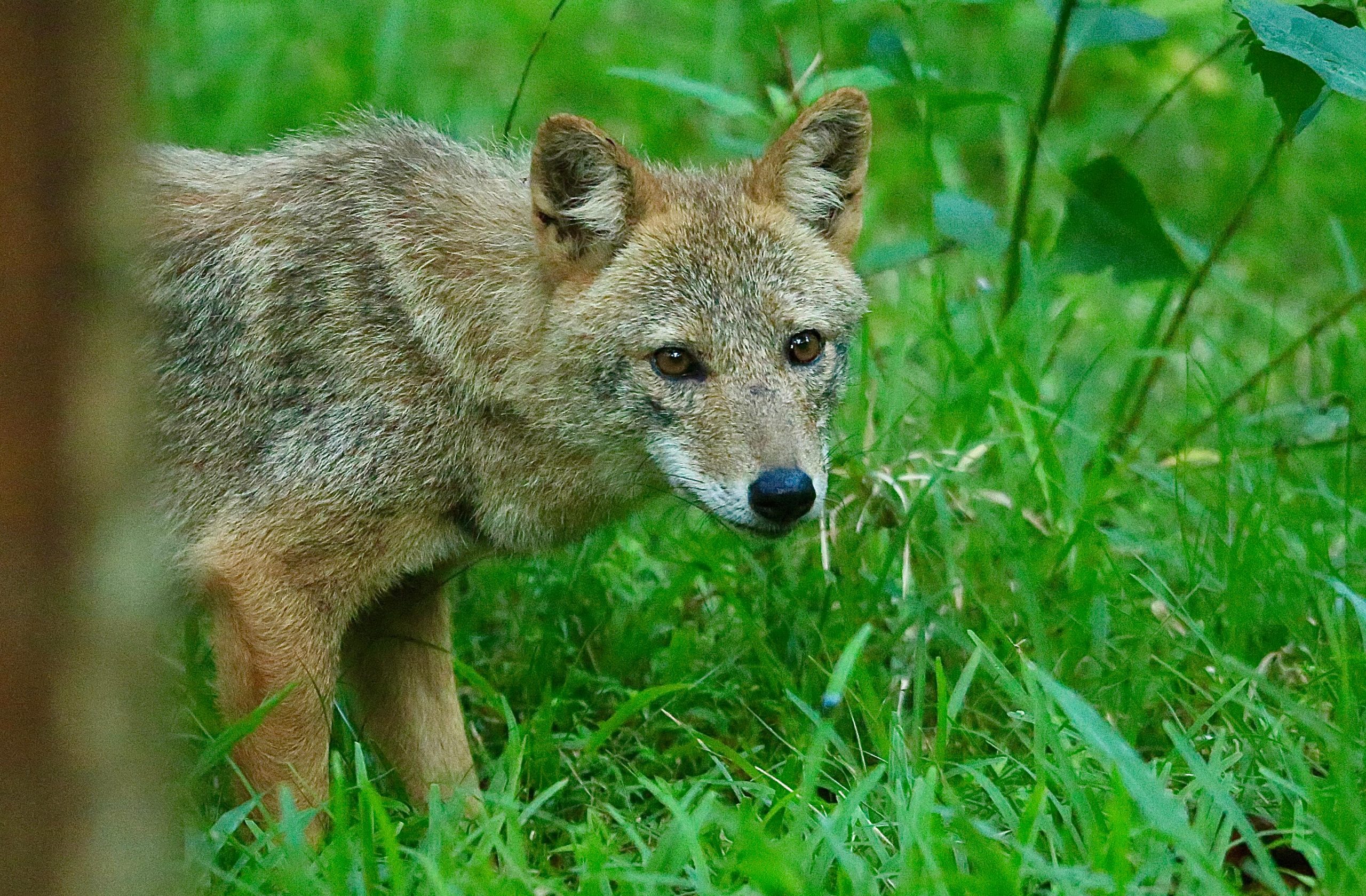
Travel towards Udawalawe National Park for a guided wildlife safari. The park is particularly well known for its elephants and offers a striking contrast to the mist-covered mountains and tea plantations of the central highlands.With a responsible guide, visitors can observe wildlife in its natural habitat while learning about the importance of conservation. The experience is best approached with patience, recognising that animals move freely and sightings cannot be guaranteed.
Responsible wildlife tourism means respecting park regulations, maintaining appropriate distances, and avoiding any activity that disturbs animals. The aim is not simply to obtain a close photograph, but to appreciate wildlife as part of a larger natural ecosystem.
Day 7 – Southern Coast and Departure

primevacationslanka.com
Conclude the journey along Sri Lanka’s southern coastline, where sandy beaches and coastal scenery offer a relaxing final experience. Depending on the departure schedule, travellers may have time to enjoy a short visit to the coast before heading to the airport.
Those with evening flights may be able to include a brief coastal stop, while travellers departing early should consider staying closer to the airport the night before. The final arrangements should be based on actual travel times and flight schedules rather than attempting to fit in one last destination at the expense of a comfortable departure.
This seven-day itinerary is a suggested framework rather than a fixed schedule. The route may need to be adjusted according to arrival and departure airports, road conditions, train availability, accommodation preferences, and the traveller’s interests. As Prasad emphasises, a well-designed journey should balance discovery, comfort, and authentic experiences instead of simply maximising the number of destinations visited.
Responsible Wildlife Tourism and Conservation
Another important theme in Prasad’s perspective is the responsibility that comes with nature-based tourism. Sri Lanka offers remarkable opportunities to observe wildlife, but these experiences must prioritise animal welfare, habitat protection, and the safety of both visitors and local communities.
Travellers should choose reputable safari operators and experienced guides who respect park regulations and maintain appropriate distances from animals. Drivers should never chase, surround, or obstruct wildlife simply to provide visitors with a closer photograph. Patient observation, rather than interference, can produce more meaningful encounters.
Responsible tourism also extends beyond national parks. Visitors can support accommodation providers with sustainable practices, hire local guides, and participate in community-based tourism initiatives. Reducing plastic waste, staying on designated trails, and avoiding attractions that treat wild animals inappropriately are equally important considerations.
For destinations that depend on their natural environments, the quality of a wildlife experience should not be measured by how close visitors can get to an animal or how many photographs they take home. Its deeper value lies in helping people appreciate the importance of habitats, respect wildlife, and understand the need to protect the ecosystems that make such experiences possible.
This is also an opportunity for the tourism industry to connect commercial success with environmental responsibility. Protecting the natural assets that attract visitors is essential to maintaining the long-term appeal of a destination.
Experiences That Matter More Than the Number of Destinations
Human encounters are equally important. Conversations with local residents, the hospitality encountered along the way, and opportunities to discover regional traditions can give a journey a deeper meaning. These experiences cannot always be scheduled precisely, but they become more likely when an itinerary allows enough time and flexibility for unexpected discoveries.
At Luxe Vistara, the approach described by Prasad centres on understanding each traveller’s interests and designing a journey accordingly. Some visitors seek hiking and adventure, while others are passionate about wildlife, photography, tea plantations, local cuisine, or village life. Sri Lanka has the potential to bring these interests together within a single trip, provided that the route is planned carefully and the pace remains comfortable.
For me, meeting Prasad in Sri Lanka in October 2026 was an opportunity to understand the island through the perspective of someone who works closely with its tourism industry. Across those six days, his stories helped me see Sri Lanka not merely as a collection of attractions, but as a living landscape filled with connections between nature, culture, communities, and personal experiences.
Ultimately, the art of tailor-made travel lies in understanding what visitors hope to discover and connecting them with the right experiences. Sri Lanka possesses extraordinary natural and cultural assets to support this approach. With thoughtful planning, respect for the environment, and meaningful engagement with local communities, a journey across the island can become much more than a holiday. It can broaden perspectives, create lasting connections, and leave travellers with memories that remain long after they have returned home.