
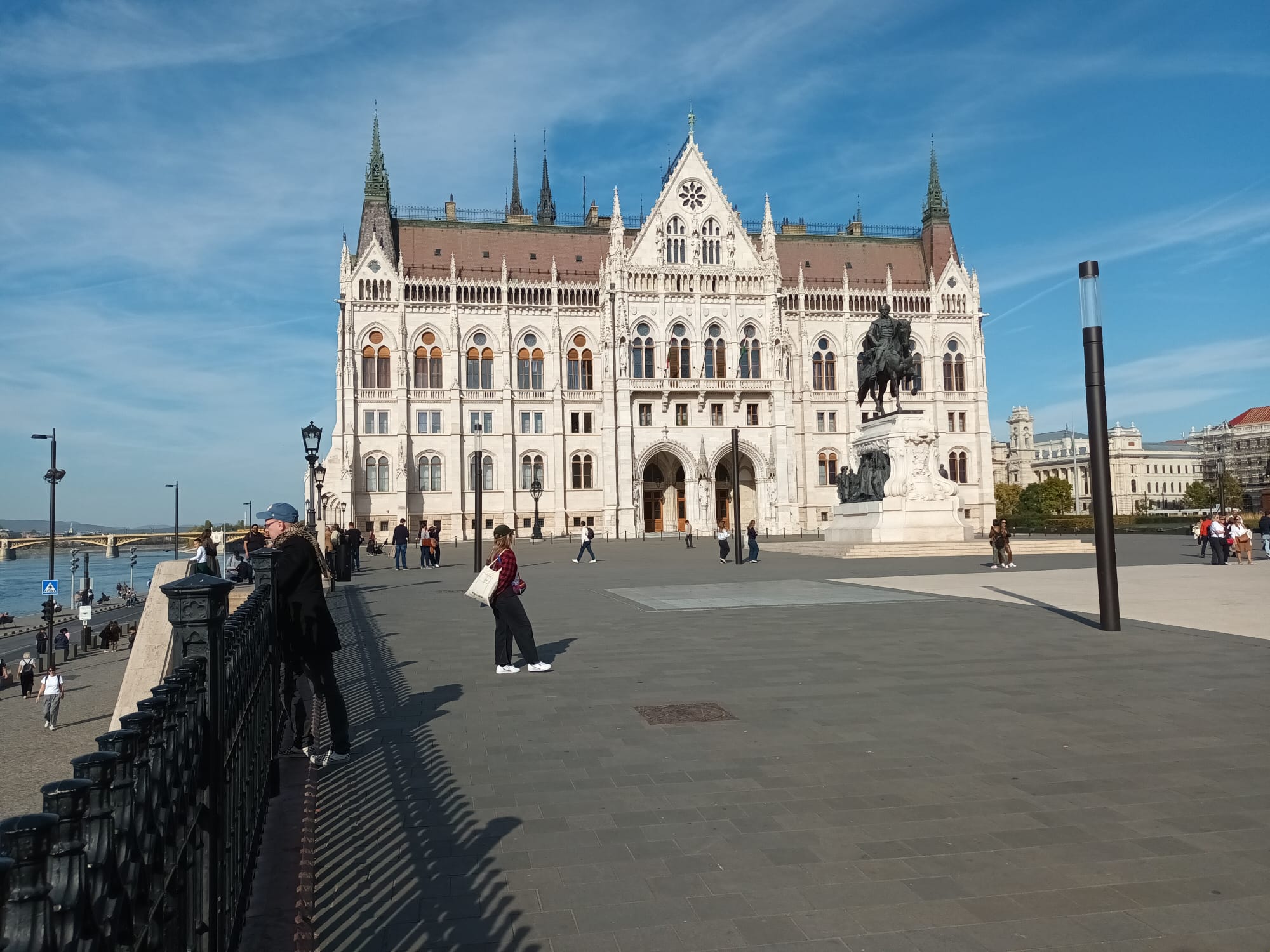
From grand castles and ornate churches to elegant cafés and riverside promenades, Budapest offers something for every kind of traveler. Whether you are planning a romantic getaway, a cultural holiday, or a European city break, this destination provides plenty of reasons to slow down and explore.
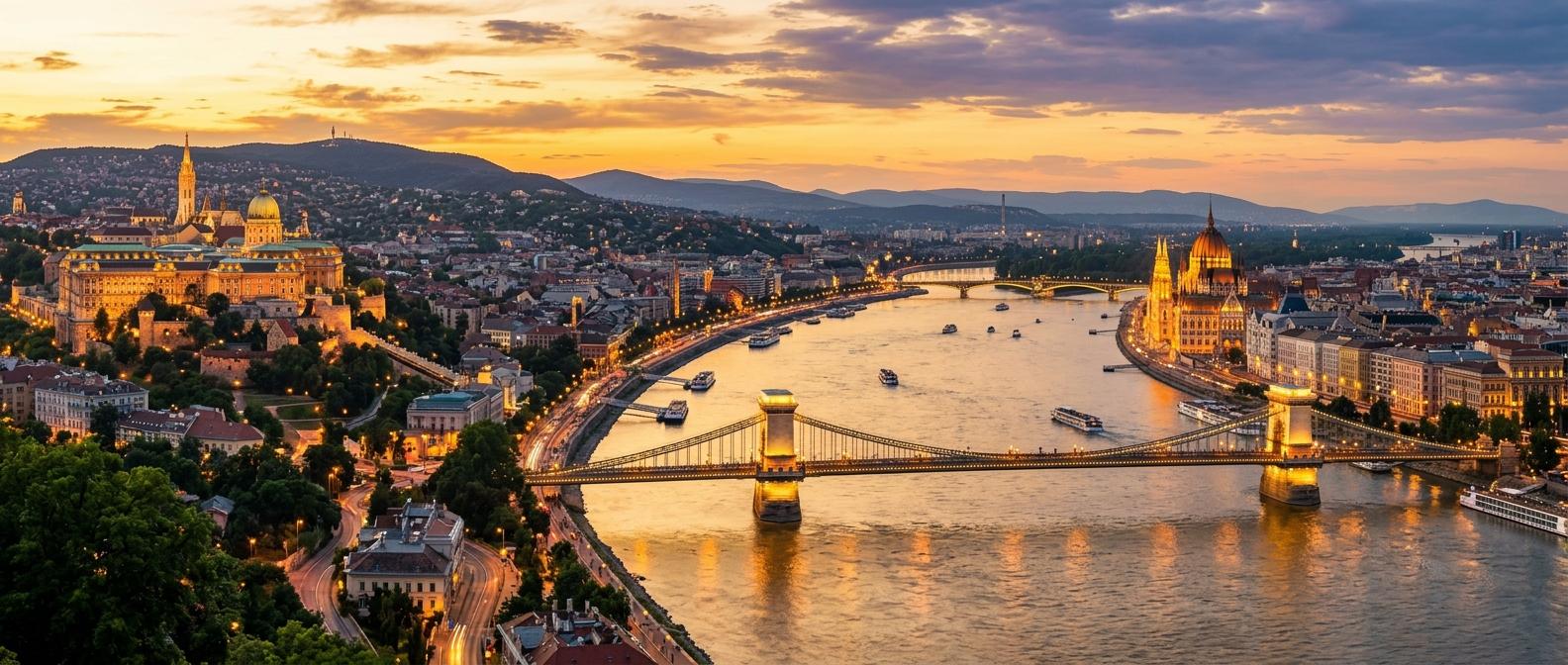 Source: uni4edu.com
Discover the Beauty of the Danube River
The Danube River is the defining feature of Budapest, flowing through the heart of the city and separating Buda from Pest. Its banks offer some of the most memorable views in Central Europe, especially when historic buildings and bridges illuminate the water after sunset.
One of the best ways to appreciate the city is to walk along the riverfront or take a sightseeing cruise. From the water, visitors can admire the Hungarian Parliament Building, Buda Castle, and the bridges connecting the two sides of the capital. The changing scenery throughout the day makes the Danube an ideal starting point for exploring Budapest.
Step Back in Time at Buda Castle
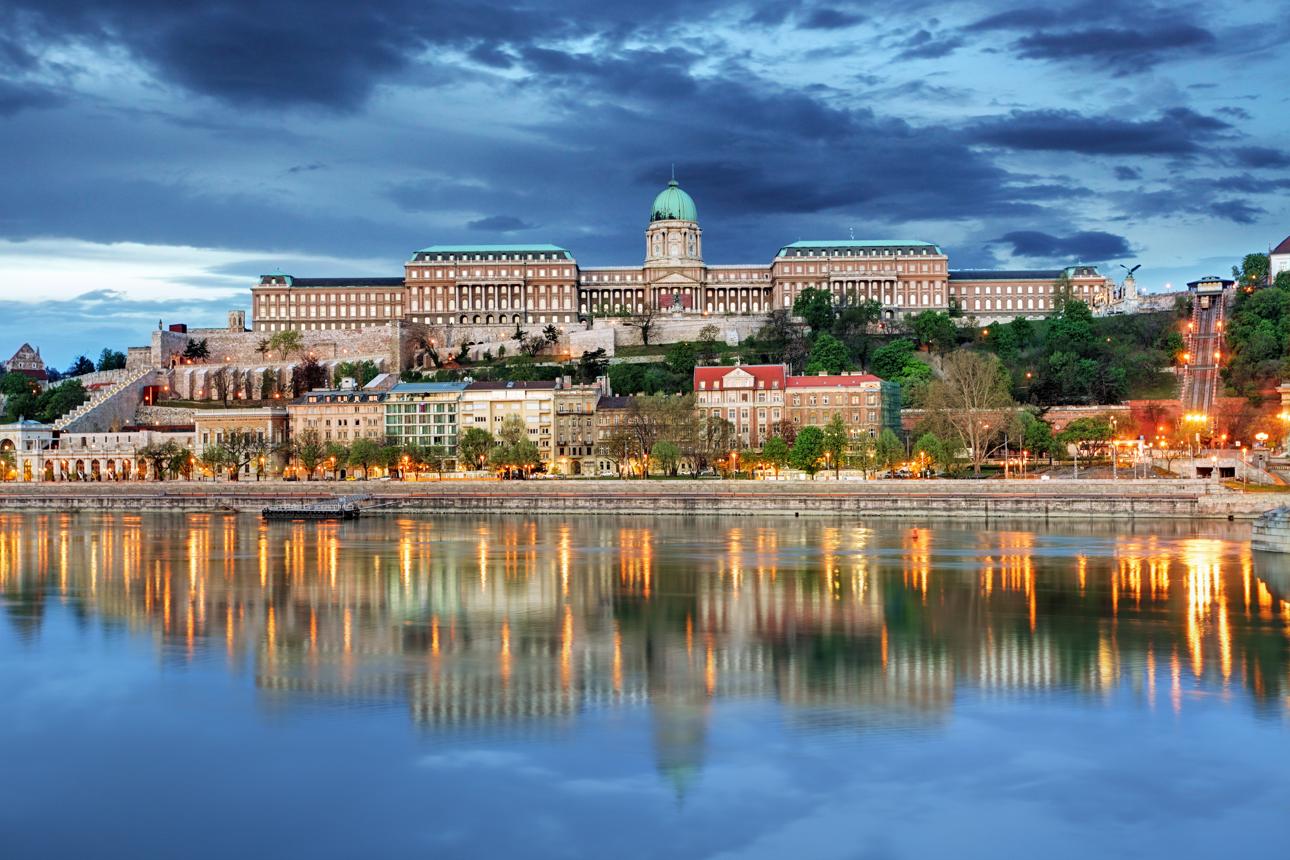
Buda Castle livetheworld.com
Rising above the western bank of the Danube, Buda Castle is one of Budapest’s most recognizable landmarks. The historic palace complex reflects the city’s royal past and its long history of political change, conflict, and reconstruction. Its elevated position also provides spectacular views across the river toward Pest.
Visitors can explore the castle grounds, admire the surrounding architecture, and discover nearby museums and historic streets. The experience is especially rewarding for travelers interested in European history, as Budapest’s buildings reveal influences from different periods and architectural traditions.
The surrounding Castle District is equally attractive. Its cobblestone lanes, colorful façades, and peaceful squares create an atmosphere that feels distinct from the busier commercial districts below. Exploring on foot allows visitors to appreciate the details that make this part of Budapest so distinctive.
Enjoy the Fairytale Views from Fisherman’s Bastion
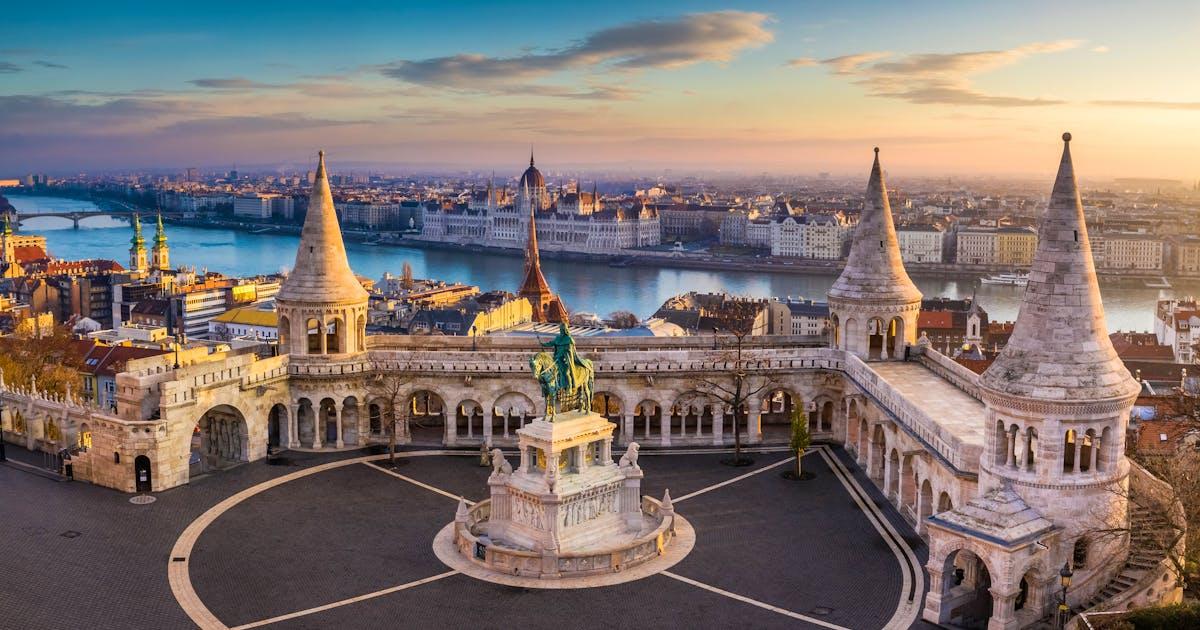
Fisherman’s Bastion/eberhardt-travel.de
Few places in Budapest are as photogenic as Fisherman’s Bastion. With its white stone terraces, decorative towers, and sweeping arches, this architectural landmark looks like something from a fairytale. It stands near Matthias Church in the Castle District and offers panoramic views of the Danube and the Hungarian Parliament Building.
The bastion was built around the turn of the 20th century, with a design inspired by historic defensive architecture. Although it resembles a medieval fortress, its primary appeal today is its architectural beauty and viewing terraces rather than military function.
Visitors can enjoy the scenery throughout the day, but early morning and late afternoon are particularly appealing for photography. The nearby Matthias Church, recognized for its colorful tiled roof and elaborate Gothic details, adds another layer of beauty to this historic neighborhood.
Admire the Hungarian Parliament Building
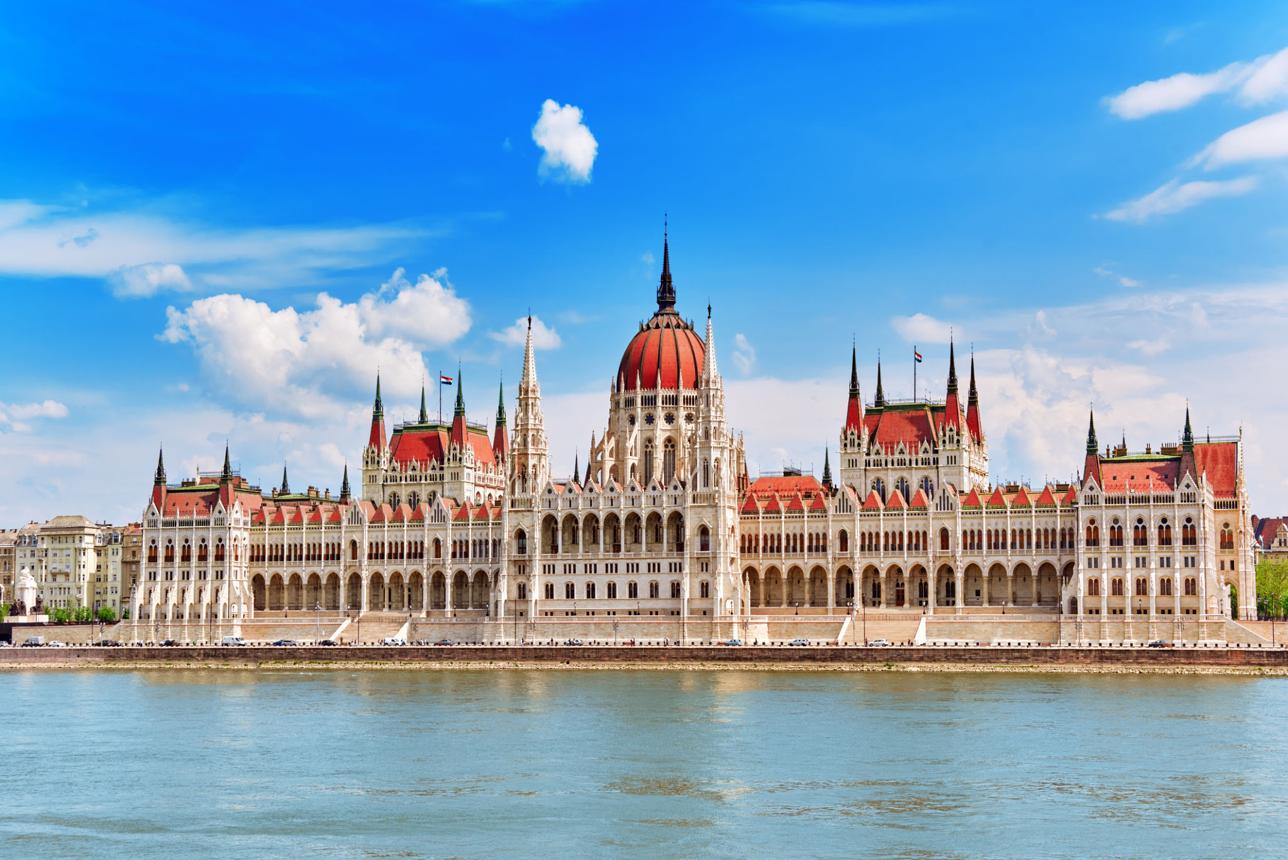
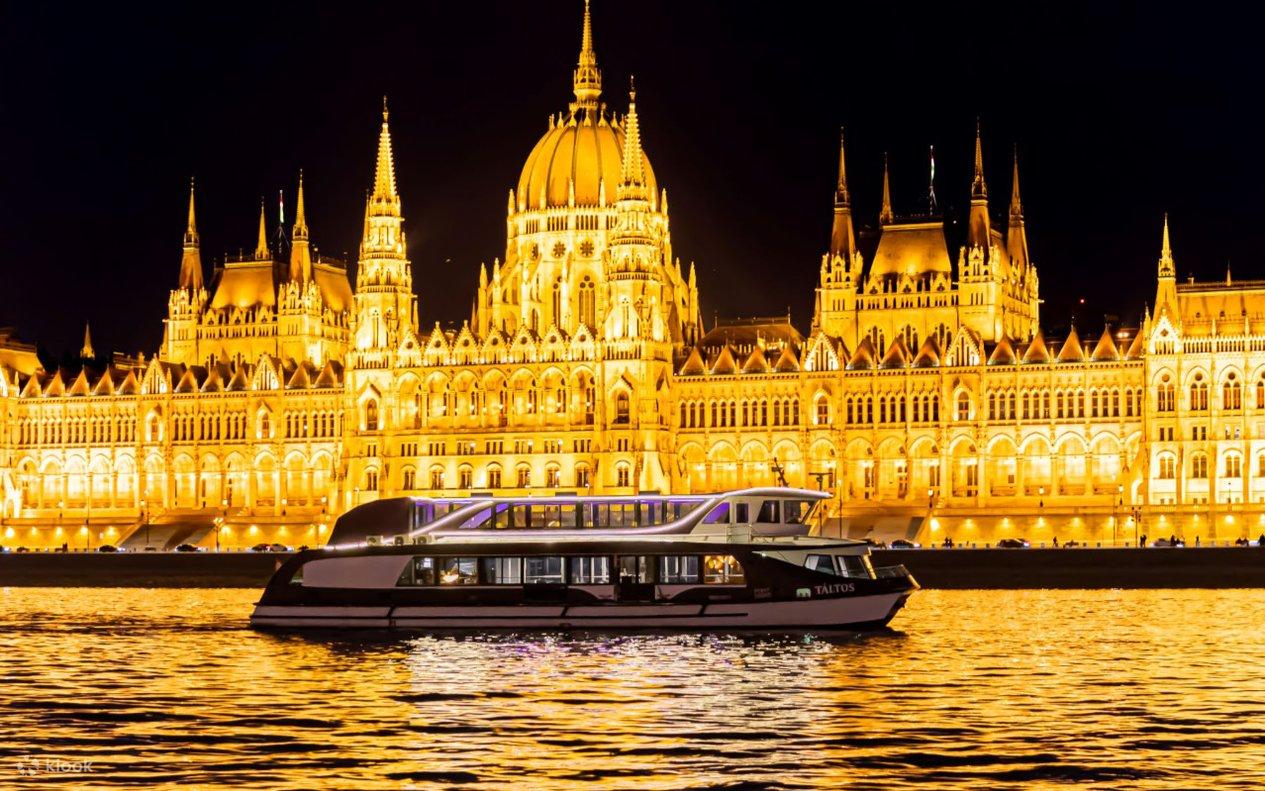
The Parliament Building is also an important symbol of Hungary’s national identity and political history. Its imposing presence along the Danube illustrates how Budapest combines architectural grandeur with the institutions of a modern European capital. For the best photographs, consider viewing the building from the Buda riverbank during daylight and returning after dark, when its illuminated façade creates a striking reflection on the water.
Explore Andrássy Avenue and the Heart of Pest

While Buda is known for its hills and historic atmosphere, Pest offers a different experience. This side of the city is characterized by broad boulevards, elegant buildings, restaurants, shopping streets, and a lively urban rhythm.Andrássy Avenue is one of the most distinguished streets in Budapest. Stretching toward Heroes’ Square, the boulevard is lined with impressive architecture, cultural institutions, cafés, and shops. It is an ideal place for a leisurely walk, particularly for visitors who want to experience the city beyond its most famous monuments.
The avenue also connects travelers with several major attractions, including the Hungarian State Opera House and Heroes’ Square. Its architectural character reflects Budapest’s growth during the 19th century, when the city developed into one of the major urban centers of the Austro-Hungarian Empire.
Exploring Pest is also an opportunity to experience contemporary Budapest. Independent boutiques, modern restaurants, creative spaces, and lively public squares show how the city has adapted its historic character to present-day life.
Relax in Budapest’s Famous Thermal Baths
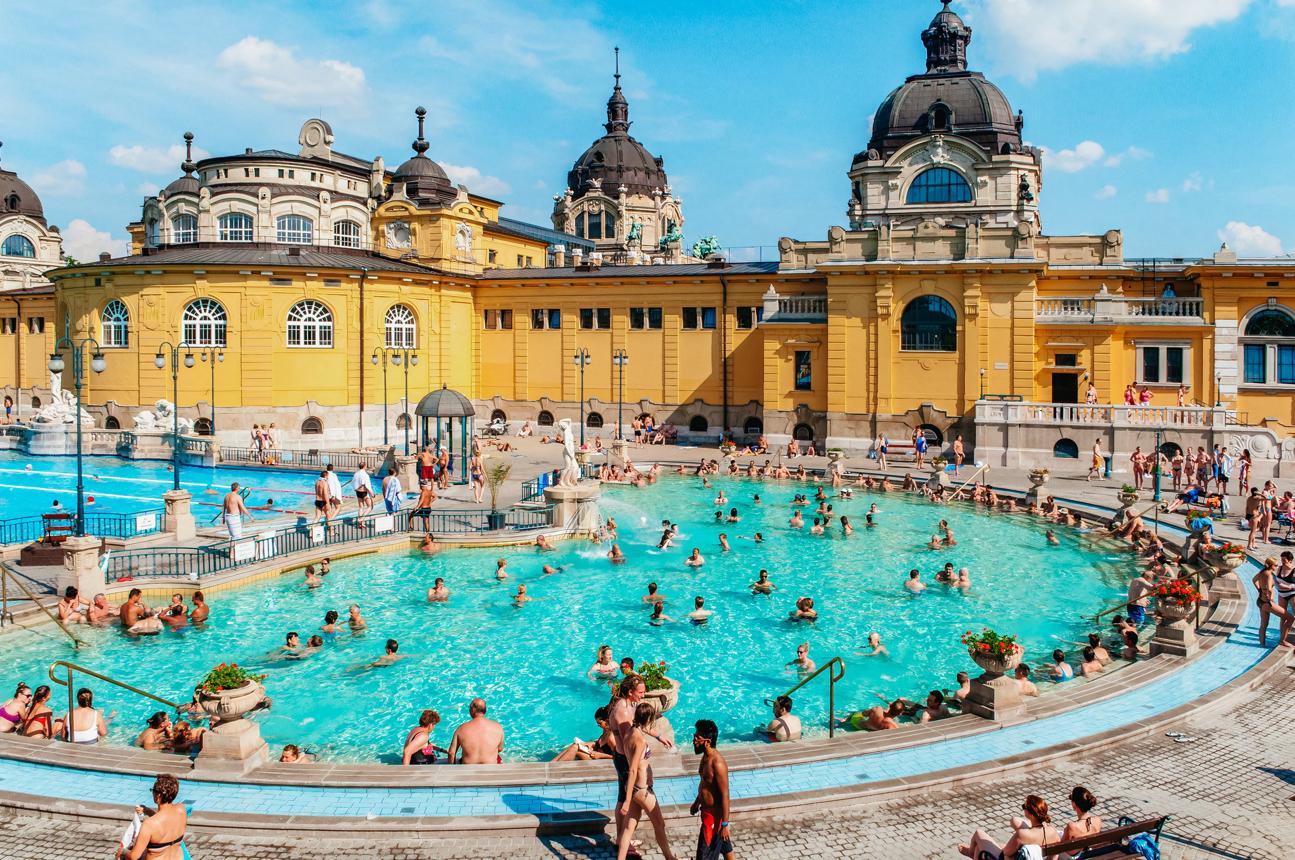 thermal baths/getyourguide.jp
Budapest is internationally renowned for its thermal baths, making relaxation an essential part of the city’s travel experience. The capital sits above natural hot springs that have supported bathing traditions for centuries, including during the Roman era and the period of Ottoman rule.
One of the most famous destinations is Széchenyi Thermal Bath, located in City Park. Its grand yellow buildings surround outdoor pools where visitors can soak in warm water while admiring the historic architecture. The contrast between the mineral-rich pools and the surrounding city makes the experience especially memorable during colder months.
Another notable option is Gellért Bath, known for its elaborate Art Nouveau interiors, decorative mosaics, and historic atmosphere. Bathing facilities and access arrangements can vary, so checking current opening information before visiting is advisable. For travelers, a thermal bath offers more than a break from sightseeing. It provides a window into a longstanding Hungarian tradition in which bathing is associated with leisure, social interaction, and well-being.
Discover the Jewish Quarter and Budapest’s Cultural History
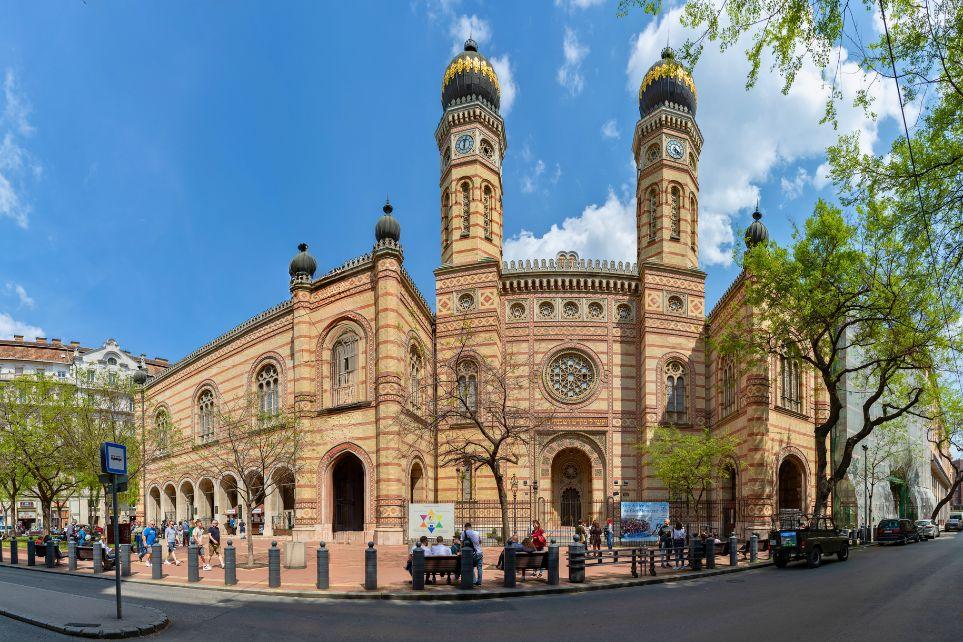 the Jewish Quarter/travelinglensphotography.com
Budapest’s Jewish Quarter is one of the city’s most culturally significant neighborhoods. It is home to the Dohány Street Synagogue, one of the largest synagogues in the world, as well as historic streets, memorials, cafés, and restaurants.The neighborhood tells a complex story of community, creativity, persecution, and survival. During the Second World War, Hungary’s Jewish population suffered devastating persecution and mass deportations. Memorial sites throughout the city help visitors understand this history and remember the people affected.
Today, the district has also become a popular destination for food, nightlife, and contemporary culture. Its streets contain traditional establishments alongside independent businesses and creative venues, reflecting Budapest’s ability to preserve its past while embracing change. A thoughtful visit should balance the neighborhood’s lively atmosphere with an appreciation of its historical significance. Exploring its landmarks and memorials offers a deeper understanding of the people and events that shaped modern Budapest.
Taste Traditional Hungarian Food
 Traditional Hungarian Food
For dessert, try kürtőskalács, commonly known as chimney cake. This sweet pastry is cooked on a rotating spit and coated with sugar, with variations that may include cinnamon, nuts, or other toppings. It is frequently found at markets and street-food stalls.
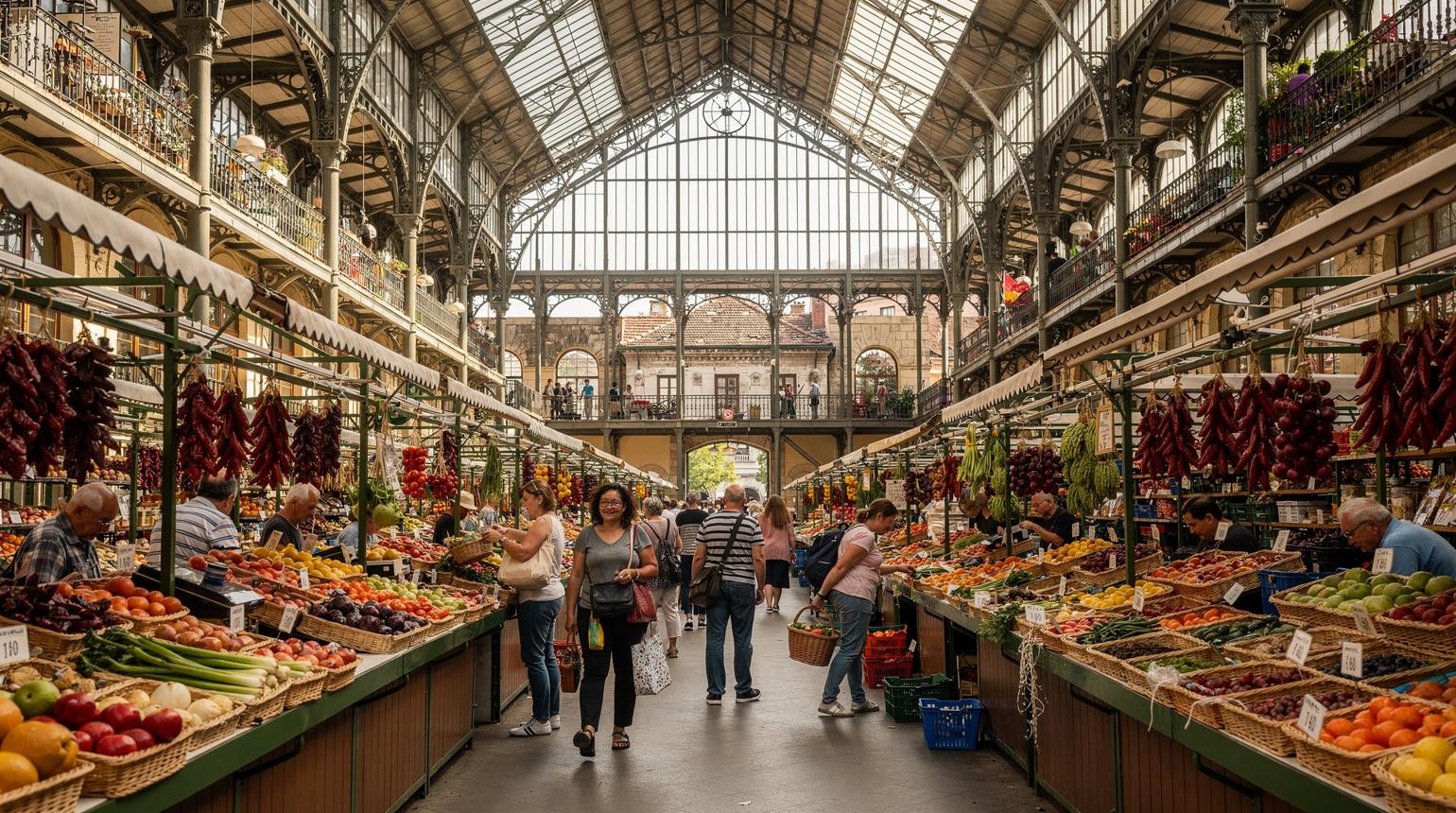 The Great Market Hall/budapest-trip.com
The Great Market Hall is an excellent place to explore local ingredients and food traditions. Its stalls sell fresh produce, paprika, sausages, pastries, and regional specialties. The market also offers an opportunity to observe everyday life in Budapest while sampling the flavors of Hungary.
For a more relaxed culinary experience, spend time in one of the city’s traditional cafés. Budapest’s historic café culture remains an appealing part of its identity, combining elegant interiors with coffee, pastries, and a slower pace of life.
Experience the City After Dark
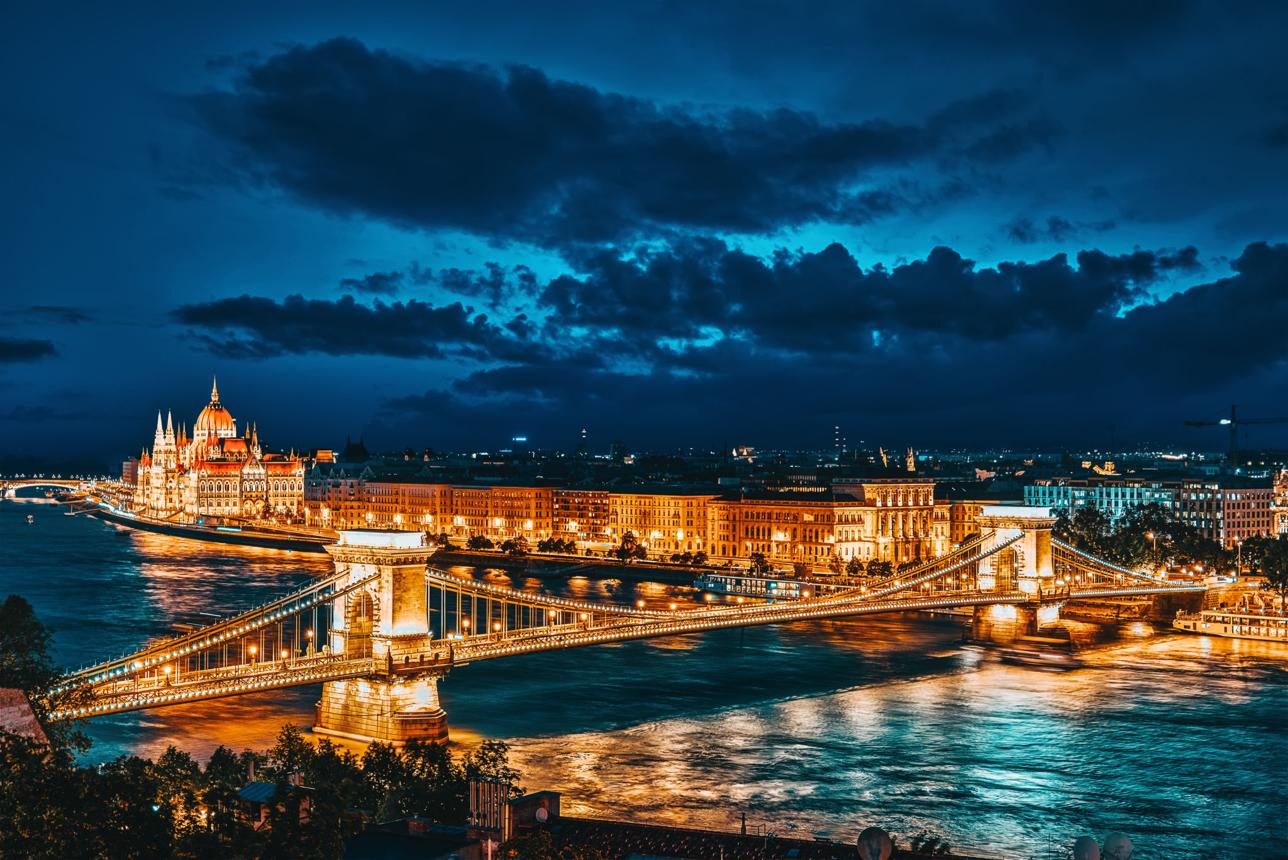 Budapest in the night
Pest also offers a lively evening scene, particularly in the Jewish Quarter, where bars, restaurants, and distinctive ruin pubs attract locals and international travelers. These venues often occupy older buildings or courtyards and combine informal social spaces with eclectic decoration.
Whether you prefer a quiet dinner, an evening walk, or a lively night out, Budapest provides options for different travel styles. The city’s illuminated architecture is reason enough to set aside time for sightseeing after dark.
Plan a Three-Day Budapest Getaway
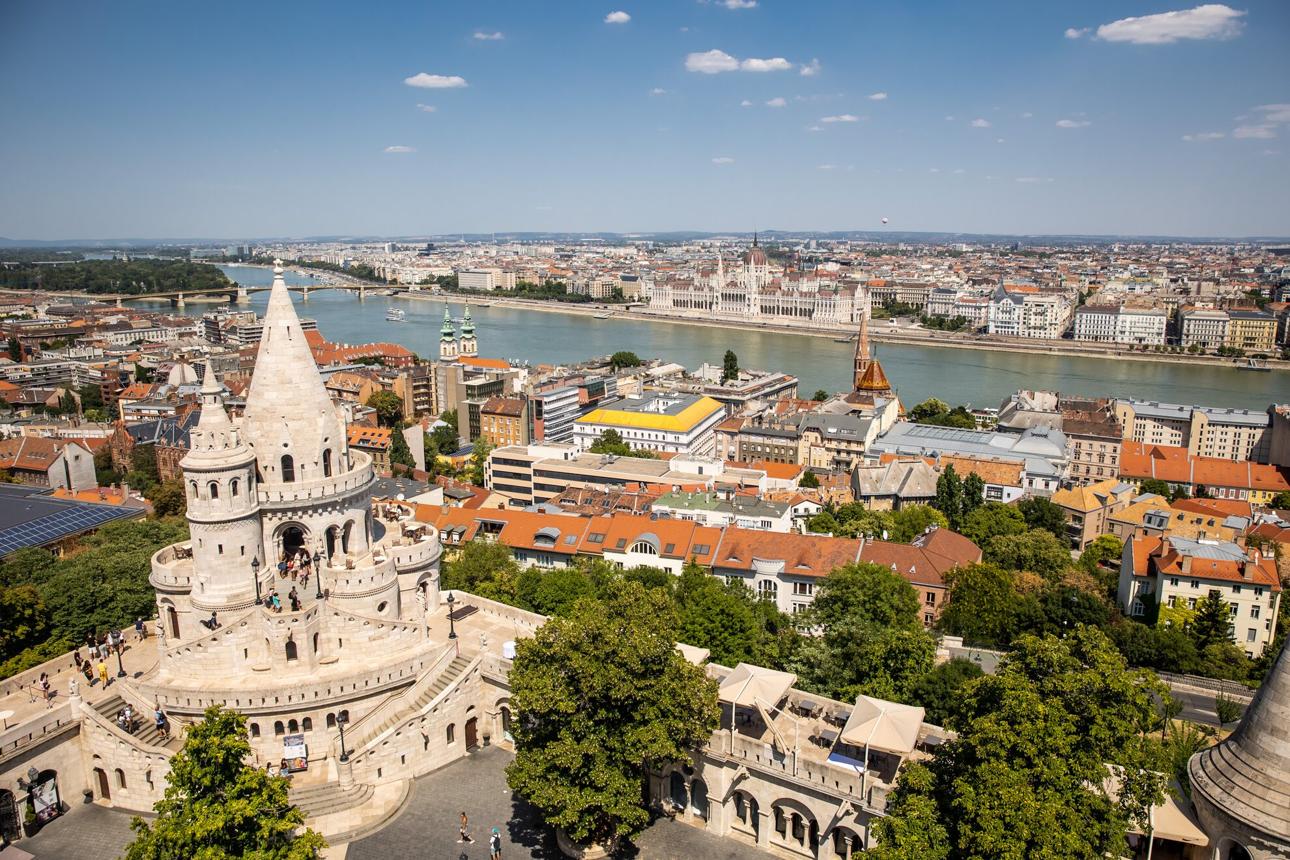 Budapest/welovebudapest.com
A three-day visit offers enough time to discover many of Budapest’s principal attractions without rushing through the experience.
Day 1: Explore historic Buda and the Danube. Begin at Buda Castle and continue through the Castle District toward Matthias Church and Fisherman’s Bastion. Spend the afternoon admiring the riverfront and the Hungarian Parliament Building. In the evening, take a Danube cruise to see the illuminated landmarks.
Day 2: Discover Pest and Hungarian culture. Walk along Andrássy Avenue, visit Heroes’ Square, and explore City Park. Set aside time for a thermal bath before enjoying traditional Hungarian food. If you are interested in history, include the Jewish Quarter and its important cultural landmarks.
Day 3: Enjoy local life at a slower pace. Visit the Great Market Hall, sample Hungarian pastries, and explore cafés or independent shops. Use the afternoon to revisit a favorite neighborhood, visit a museum, or relax along the Danube before departing.
Travelers with additional time can explore more museums, discover smaller neighborhoods, or take excursions beyond the city. Budapest is also well connected to other destinations in Central Europe, making it a useful stop on a longer European itinerary.
Practical Tips for Visiting Budapest
-
Getting around: Budapest has an extensive public transport network, including metro lines, trams, and buses. Walking is also a pleasant way to explore central neighborhoods.
-
Currency: Hungary uses the Hungarian forint (HUF), rather than the euro. Check exchange rates and payment options before traveling.
-
Best time to visit: Spring and autumn generally offer comfortable conditions for sightseeing. Summer brings longer days and outdoor activities, while winter gives the city a different atmosphere, with colder weather and seasonal markets.
-
Thermal baths: Bring swimwear and check the facility’s rules, opening hours, and ticket requirements in advance.
-
Sightseeing: Popular landmarks can become crowded, so booking selected tours ahead of time may help, especially during busy travel periods.
-
Walking: Comfortable shoes are useful for exploring cobblestone streets, historic districts, and the hilly areas of Buda.
Budapest, a City Worth Exploring Slowly
Budapest’s appeal lies in the way its different experiences come together. Its historic castles and monumental architecture reveal the weight of European history, while its thermal baths preserve a tradition of relaxation that remains central to local life. Across the Danube, the lively streets of Pest offer food, culture, shopping, and nightlife.For visitors, the city is not simply a collection of famous landmarks. It is a destination best experienced through a combination of river views, neighborhood walks, local dishes, historic sites, and unhurried moments in a traditional café.
Whether viewed from the terraces of Fisherman’s Bastion, enjoyed from a boat on the Danube, or experienced in the warm waters of a thermal bath, Budapest offers a distinctive European getaway that stays with travelers long after the journey ends.