
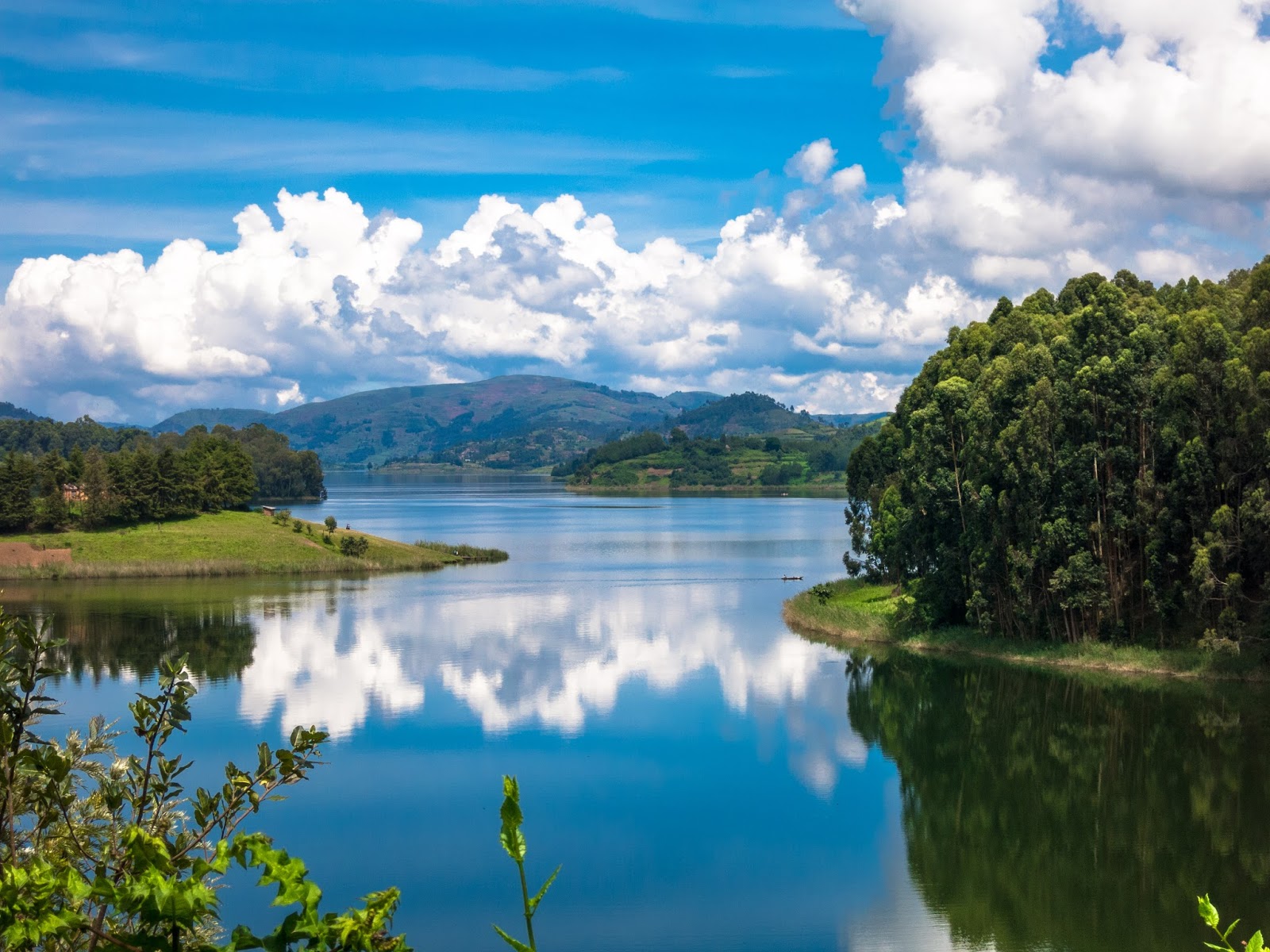
What makes Uganda particularly fascinating is the diversity of its landscapes. Within a single trip, visitors can move from tropical forests to open grasslands, from volcanic mountains to tranquil lakes, and from remote wilderness areas to historic cultural sites. Each destination reveals a different side of the country, making Uganda an appealing choice for travellers seeking wildlife, adventure, photography and meaningful encounters with local communities.
Bwindi Impenetrable National Park and the Mountain Gorillas
One of Uganda’s most extraordinary destinations is Bwindi Impenetrable National Park, an ancient rainforest that has survived for more than 25,000 years. Recognised as a UNESCO World Heritage Site, the park is among Africa’s most biologically diverse forests and provides a sanctuary for approximately half of the world’s remaining mountain gorillas.
The journey through Bwindi is an adventure in itself. Dense vegetation, towering trees and mist-covered hills create an almost mystical atmosphere. Accompanied by experienced trackers, visitors follow narrow forest trails in search of gorilla families. The moment a silverback appears through the foliage, followed by mothers caring for their young, becomes an unforgettable wildlife encounter.
Beyond gorillas, Bwindi supports an extraordinary range of biodiversity, including forest elephants, giant forest hogs and hundreds of bird species. It is a destination where conservation and tourism meet, giving visitors an opportunity to appreciate the importance of protecting one of Africa’s most precious ecosystems.
Murchison Falls and the Mighty Nile
Further north, Murchison Falls National Park offers a completely different landscape. Uganda’s largest and oldest national park is dominated by the Nile River, which forces its enormous volume of water through a narrow rocky gorge before plunging approximately 43 metres into the river below.
The spectacle is as impressive as it sounds. The thunder of the water echoes across the surrounding landscape, while rainbows form in the mist rising above the falls. A boat cruise along the Victoria Nile provides another perspective, passing hippos, Nile crocodiles and numerous waterbirds before approaching the powerful cascade.The surrounding savannah is equally rewarding. Elephants move across the plains, giraffes browse among acacia trees and lions can sometimes be spotted resting in the shade. Early mornings and late afternoons are particularly attractive for wildlife viewing, when the changing light transforms the landscape into shades of gold.
Queen Elizabeth National Park and Its Tree-Climbing Lions
Another highlight is Queen Elizabeth National Park, where open savannah meets forest, volcanic landscapes and the shores of Lake Edward. The park is particularly famous for its unusual tree-climbing lions, which can regularly be seen resting on the branches of large fig trees in the Ishasha sector.
A boat journey along the Kazinga Channel is one of the best ways to experience the park. This natural waterway connects Lake George and Lake Edward and attracts an extraordinary concentration of wildlife. Hippos gather along the banks, elephants descend to drink and birds search for fish in the shallow waters.The surrounding landscape also features volcanic crater lakes, some of which create striking natural viewpoints. With more than 600 recorded bird species, Queen Elizabeth National Park is also an exceptional destination for birdwatchers.
Kibale Forest, the Primate Capital of the World
For travellers fascinated by primates, Kibale National Park is an essential stop. Often described as the primate capital of the world, this tropical forest is home to an impressive variety of primate species, including chimpanzees, red colobus monkeys and grey-cheeked mangabeys.
Chimpanzee tracking is the park’s main attraction. Guided walks take visitors deep into the forest, where the distinctive calls of chimpanzees echo through the trees. Watching these intelligent animals communicate, move through the canopy and care for their young offers a fascinating glimpse into the behaviour of our closest living relatives.The forest itself is equally captivating, with enormous trees, tangled vines, colourful butterflies and seasonal wildflowers creating a rich natural environment.
Kidepo Valley, Uganda’s Untamed Wilderness
In northeastern Uganda, Kidepo Valley National Park offers a more remote safari experience. Far from the country’s busier tourist destinations, this wilderness is characterised by vast golden plains, rocky outcrops and distant mountain ranges.
The Narus Valley is the park’s principal wildlife-viewing area, particularly during the dry season when animals gather around permanent water sources. Large buffalo herds move across the grasslands, while lions, leopards and elephants inhabit the surrounding landscape.The presence of the Karamojong people adds another dimension to a visit. Their pastoral traditions and distinctive cultural identity form an important part of the region’s character, making Kidepo a destination where natural and cultural heritage can be experienced together.
Semuliki and Lake Mburo, Two Different Sides of Uganda
At Semuliki National Park, the landscape changes again. East African savannah gradually meets Central African rainforest, creating an unusual combination of ecosystems. Its most distinctive attractions are the Sempaya hot springs, where boiling water rises from the ground and steam creates an almost otherworldly atmosphere.The park is also a remarkable destination for birdwatching, with more than 400 recorded species.
Meanwhile, Lake Mburo National Park provides a more intimate safari experience. It is particularly known for zebras and impalas, which are not commonly found in many other Ugandan national parks. Visitors can explore its wooded savannah on foot, horseback or mountain bike, offering a different perspective from traditional vehicle-based safaris.Early morning boat trips across Lake Mburo reveal crocodiles, hippos and fish eagles, while the surrounding grasslands become especially beautiful in the soft light of sunrise and sunset.
Sipi Falls and the Coffee Highlands
For travellers who enjoy hiking, Sipi Falls is among the country’s most picturesque destinations. Located on the slopes of Mount Elgon, the area features three waterfalls cascading down the mountainside, with the main waterfall plunging approximately 100 metres over a dramatic cliff.
Walking trails connect different viewpoints, allowing visitors to appreciate the waterfalls from several perspectives. The surrounding highlands are also known for their Arabica coffee plantations, where volcanic soil and favourable growing conditions produce distinctive coffee beans.
Local guides can introduce visitors to the coffee-making process, from harvesting and processing the beans to preparing a freshly brewed cup. It is an experience that combines outdoor adventure with an appreciation of Uganda’s agricultural traditions.
Lake Bunyonyi and the Rwenzori Mountains
In southwestern Uganda, Lake Bunyonyi offers a peaceful retreat among terraced hills and forested islands. Known as the place of many little birds, the lake is dotted with 29 islands, each carrying its own stories and local traditions.Traditional dugout canoes provide an appealing way to explore the waterways, while the surrounding hills offer spectacular views over the lake. Early morning mist often settles across the water, creating an atmosphere of remarkable tranquillity.
For a more challenging adventure, the Rwenzori Mountains present one of Africa’s most extraordinary alpine environments. Sometimes called the Mountains of the Moon, this UNESCO World Heritage Site features glaciers, mountain lakes and unusual high-altitude vegetation. As hikers climb higher, tropical rainforest gives way to bamboo forests and distinctive alpine landscapes.
Jinja and the Source of the Nile
No journey through Uganda would be complete without visiting Jinja. Known as East Africa’s adventure capital, the town is closely associated with the Nile River and its celebrated source near Lake Victoria.The river offers opportunities for white-water rafting, kayaking and other water-based activities. Its powerful rapids attract adventure seekers from around the world, while calmer stretches provide opportunities for sunset cruises and relaxed river excursions.Along the riverbanks, fishing villages preserve traditional ways of life, while riverside lodges and restaurants provide places to enjoy the scenery. Jinja is therefore an attractive destination for both adrenaline-filled activities and slower moments beside the water.
Lake Victoria, Kasubi Tombs and Uganda’s Cultural Heritage
Uganda’s attractions extend well beyond its national parks. Lake Victoria is an enormous inland sea shared by Uganda, Kenya and Tanzania. Around Entebbe, visitors can enjoy palm-lined shores, botanical gardens and boat trips to the Ssese Islands, an archipelago known for its beaches, fishing communities and forested landscapes.
The country’s cultural heritage can be explored at the Kasubi Royal Tombs, a UNESCO World Heritage Site and an important centre of the Buganda Kingdom. Its traditional architecture, constructed using organic materials such as wood, reeds and thatch, reflects the craftsmanship and cultural traditions of the Baganda people.
Another interesting destination is Ngamba Island Chimpanzee Sanctuary, which provides a protected home for rescued chimpanzees unable to return to the wild. Visitors can observe the animals and learn about the conservation work dedicated to their welfare.Uganda also offers opportunities to understand wildlife conservation through the Uganda Wildlife Conservation Education Centre, where educational programmes introduce visitors to the country’s remarkable biodiversity.
A Journey Beyond the Ordinary
Uganda’s appeal lies in its ability to bring together so many different travel experiences within one country. A visitor can spend the morning trekking through an ancient rainforest in search of mountain gorillas, enjoy a wildlife safari across open savannah in the afternoon and finish the day watching the sun disappear over a great African lake.
Its waterfalls, mountains, forests and rivers provide an extraordinary natural setting, while its cultural traditions and conservation initiatives add depth to the journey. For those seeking something beyond conventional sightseeing, Uganda offers a chance to experience Africa through its landscapes, wildlife and communities.It is easy to understand why Uganda has earned its reputation as the Pearl of Africa. The country is not defined by a single iconic attraction but by the remarkable variety of experiences that unfold from one destination to another.